Custom Header Elementor: 7 Easy Steps to Build a Pro Design

Hi there! I’m Bonny Elangbam. As a web designer who has spent years tinkering with WordPress, I know that the header is the “handshake” of your website. It’s the first thing people see and the main way they find their way around. 

I wrote this guide to take the mystery out of the Custom Header Elementor process so you can stop settling for “good enough” and start building “wow.” This expanded guide dives deep into the technical and creative nuances to ensure you have every tool needed for success.

If you have ever felt limited by your WordPress theme’s default layout, you aren’t alone. I remember the frustration of wanting a transparent menu or a specific button placement, only to find my theme settings saying “no.” 

That’s exactly why the Custom Header Elementor workflow is a game-changer for creators like us.

In this deep dive, I’m going to walk you through the exact process I use to build professional, high-converting headers. We aren’t just talking about a logo and a few links; we’re talking about a functional piece of art that works on every device. 

When we talk about a Custom Header Elementor build, we are talking about taking full ownership of your site’s identity.

Why the Data Matters: 

According to a study by WebFX, 94% of first impressions are design-related. Furthermore, research on navigation usability shows that sticky headers can reduce the time it takes to find a link by 22%, directly lowering your bounce rate. 

Using a Custom Header Elementor strategy isn’t just about aesthetics; it’s about site performance and user retention.

Why You Need a Custom Header Elementor Strategy

Before we jump into the “how,” let’s talk about the “why.” Your header is the most viewed element on your site. If it’s clunky, your bounce rate will soar. 

By using a Custom Header Elementor approach, you gain total control over the user experience (UX). You can add call-to-action (CTA) buttons, social icons, or even a search bar exactly where they make sense.

In the modern web, users expect a seamless transition between pages. If your header feels disconnected from the rest of your brand, trust erodes. 

A Custom Header Elementor design allows you to maintain font consistency, color palettes, and interactive elements that standard themes often lock away.

The Benefits of a Custom Header Elementor Layout

When you move away from standard theme headers, you unlock:

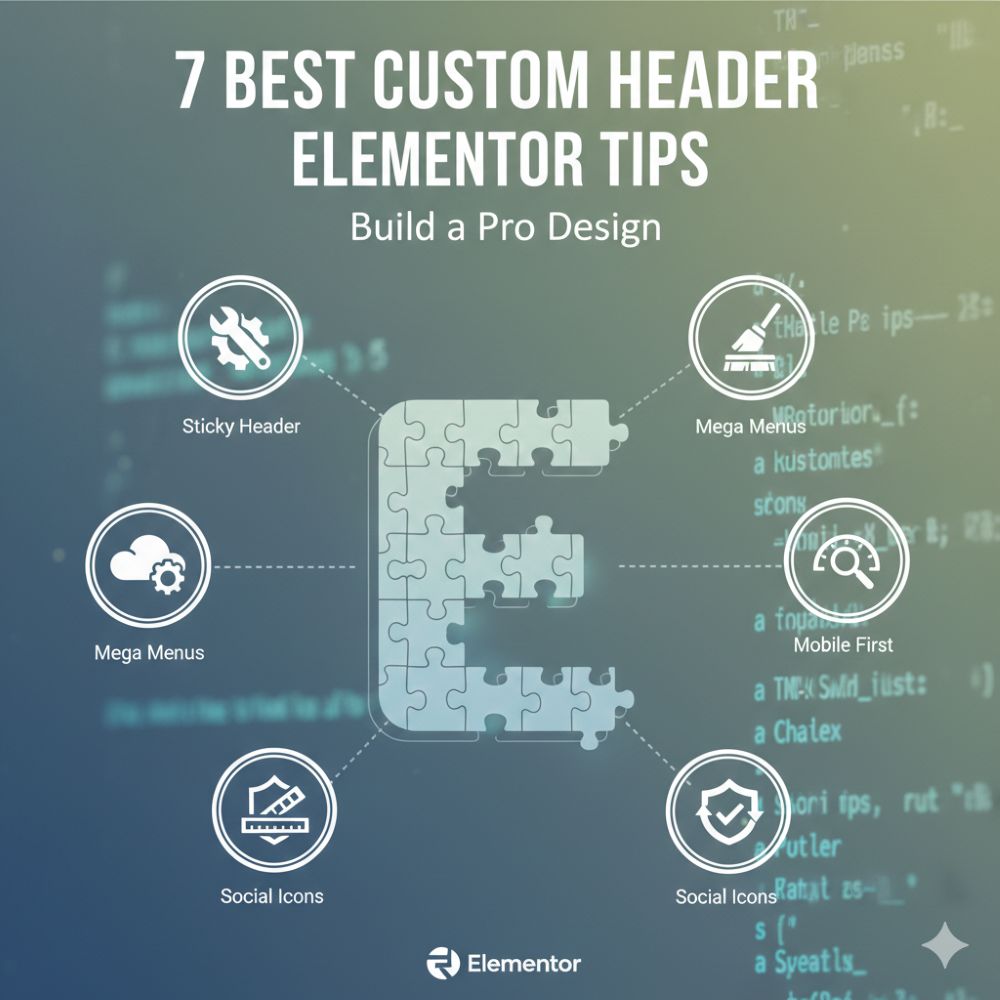
  • Sticky Header Functionality: Keep the menu visible as users scroll.
  • Dynamic Styling: Change the header color based on the page.
  • Mobile Optimization: Create a completely different menu for phone users.
  • Conversion Focus: Place high-priority buttons in the prime real estate of the screen.

Comparison Table

FeatureDefault Theme HeaderCustom Header Elementor
FlexibilityRigid; limited by theme settings100% drag-and-drop control
Mobile UXGeneric “Hamburger” menuCustom-built mobile-specific menus
Sticky EffectsBasic Toggle (On/Off)Advanced scroll-distance triggers
CTAsUsually, none or one buttonUnlimited buttons, icons, or forms

7 Steps to a Pro Custom Header Elementor Design

1. Access the Theme Builder

To start your Custom Header Elementor journey, you need Elementor Pro. Navigate to Templates > Theme Builder. This is the cockpit of your website’s global elements. Click on ‘Header’ and then ‘Add New.’ 
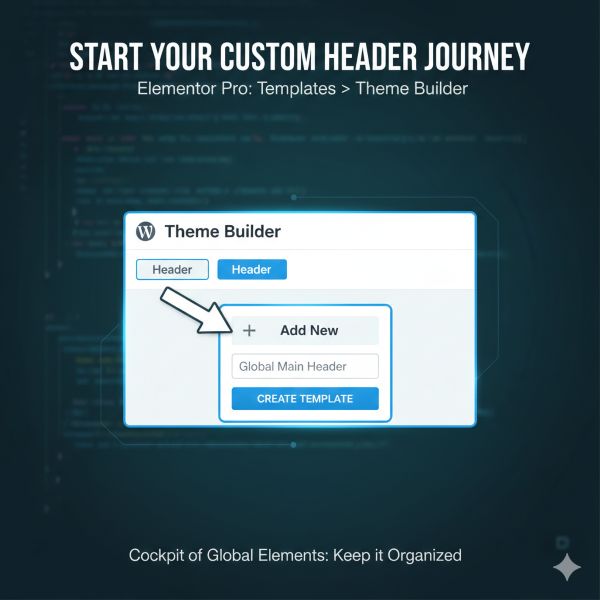
Name your template something descriptive, like “Global Main Header,” to keep your backend organized.

2. Choose a Template or Start from Scratch

Elementor offers beautiful pre-made blocks. If you’re in a rush, pick one! But if you want a truly unique Custom Header Elementor look, hit the ‘X’ and start with a blank canvas. 

I personally prefer starting fresh to ensure every pixel aligns with my brand. A blank slate prevents “bloat” by only including the widgets you actually need.

3. Structure Your Sections

A pro header usually consists of a single section with two or three columns. Use the “Structure” tool to set widths.

  • Left Column (approx. 20%): Your Logo (Site Logo widget). Always ensure your logo links back to the homepage; it’s a universal UX rule.
  • Center Column (approx. 60%): Your Navigation Menu. This is the heart of your Custom Header Elementor build.
  • Right Column (approx. 20%): A CTA button, search icon, or WooCommerce cart.

4. Style Your Navigation

In the Custom Header Elementor editor, drag the ‘Nav Menu’ widget into your center column. This is where the magic happens. 

You can change the typography, hover effects, and the distance between menu items. I recommend using “Pointer” effects like a simple underline or background shift to give users visual feedback.

5. Perfecting Mobile Responsiveness

A Custom Header Elementor design that works on desktop but fails on mobile is ineffective. Use Responsive Mode to ensure the hamburger icon is easy to tap, menus don’t overlap content, and consider a slide-in menu for a cleaner, modern mobile experience.

6. Adding Sticky Effects

Want your header to follow the user? In the section settings, go to Advanced > Motion Effects. Set ‘Sticky’ to ‘Top.’ This is a staple of any Custom Header Elementor Pro build, as it keeps your navigation accessible at all times. 

You can also toggle which devices it stays sticky on; usually, desktop and tablet are the priorities.

Pro Tip for Custom Header Elementor Sticky Effects

Use the “Effects Offset” (set it to around 100px). This allows you to apply custom CSS or built-in Elementor styles that make the header shrink or change color once the user starts scrolling. 

It adds a layer of polish that screams “professional” and keeps the viewport clear for content.

Pro UX Rules for Headers
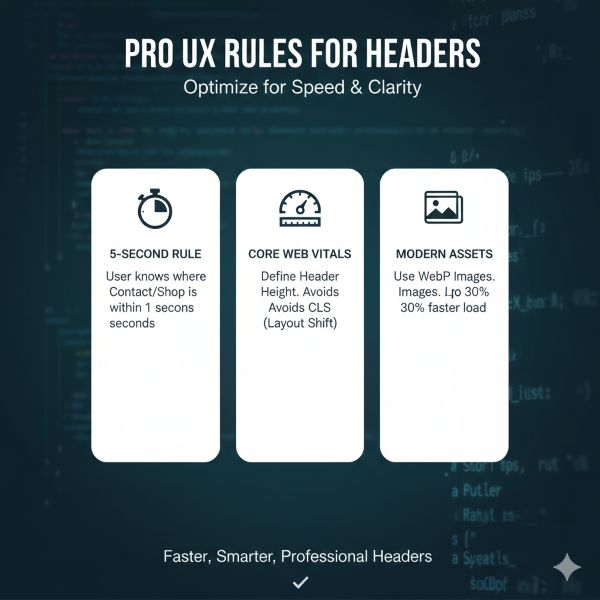
  • The 5-Second Rule: A user should know exactly where your “Contact” or “Shop” page is within 5 seconds of landing.
  • Core Web Vitals Tip: To avoid Cumulative Layout Shift (CLS), define a specific height for your header container. This prevents the page content from “jumping” once the header loads.
  • Modern Assets: While I mentioned SVGs for logos, ensure any background images use the WebP format. This can reduce header-related load times by up to 30%.

7. Set Your Display Conditions

Once you’re happy, hit ‘Publish.’ Elementor will ask where you want to display it. For a standard Custom Header Elementor setup, choose ‘Entire Site.’ 

If you want a different header for your landing pages or your shop, you can create a second one and set the condition to specific categories or pages.

The Deep Dive: Maximizing Your Custom Header Elementor

To truly reach that professional level, we need to talk about the details that many designers overlook. 

A Custom Header Elementor project isn’t finished just because the links work. We need to consider performance and accessibility.

Visual Hierarchy and Spacing

In my years as Bonny Elangbam, I’ve seen many headers fail because they are too “busy.” When designing your Custom Header Elementor layout, use negative space. 

Give your logo room to breathe. Ensure your menu items aren’t touching the edges of the container.

Leveraging Dynamic Content

One of the most powerful features of a Custom Header Elementor build is the ability to pull in dynamic data. For example, if you are running a membership site, you can use the “User Info” widget to show the user’s profile picture directly in the header. 

This level of personalization is what separates a basic site from a premium platform.

Advanced Custom Header Elementor Tweaks

For those who want to go further, consider adding a “Top Bar.” This is a thin strip above your main header for announcements or contact info. 

Integrating this into your Custom Header Elementor workflow makes your site look like a high-end corporate portal. You can use this space for a “Free Shipping” notice or a secondary login menu.

Customizing the Mobile Toggle

The “Hamburger” menu is often the most neglected part of a Custom Header Elementor design. Don’t just leave it as a default black icon. 

Match the color to your brand. Adjust the “Toggle Alignment” to the right for better thumb-reach. Small details like this significantly improve the mobile user experience.

Master the Custom Header Elementor

Building a professional website doesn’t have to be a headache. By mastering the Custom Header Elementor process, you have taken the single most important step in customizing your digital home. 

A great header is like a well-lit foyer in a house; it welcomes visitors and tells them exactly where to go.

Remember, the best headers are simple, intuitive, and fast-loading. Over-engineering your Custom Header Elementor layout with too many animations can slow down your site and annoy your visitors.

Keep it sleek, keep it functional, and always test it on a real mobile device before going live.

I have seen beginners turn their sites around in just an afternoon using these seven steps. The power of the Custom Header Elementor toolset is that it grows with you. 

As your skills improve, you can start adding mega menus, search overlays, and sophisticated scroll-based triggers. Now, it’s your turn to take these tools and build something beautiful.

Let’s build together. If you found this Custom Header Elementor guide helpful, I would love to see your results. Drop a link to your site in the comments below, or tag me on social media. 

Need a pro hand? Reach out to us at Keithel Digital, and we will build your dream header for you.

Do I need Elementor Pro for a Custom Header Elementor build?

Yes, the Theme Builder features required for headers are exclusive to the Pro version. However, there are free third-party plugins that offer limited header-building capabilities, but they often lack the “Display Conditions” power of a native Custom Header Elementor setup.

Will a Custom Header Elementor design slow down my site?

If optimized correctly, no. Keep your image sizes small (use SVGs for logos) and avoid excessive nested sections. A lean Custom Header Elementor layout is often faster than bulky theme-default headers that load unnecessary scripts.

Can I have different headers for different pages?

Absolutely. That is the beauty of the Custom Header Elementor system. You can set display conditions to show specific headers on your blog, shop, or homepage. This is perfect for “Squeeze Pages” where you might want to remove the navigation entirely.

How do I make a transparent header?

Set the header section’s background to transparent, then apply a negative bottom margin to pull the content underneath it. For a smooth color change when the header becomes sticky, use the following CSS:
selector.elementor-sticky–effects {background-color: rgba(255, 255, 255, 0.95) !important; transition: background-color 0.4s ease-in-out;}
This creates a clean, transparent header on load and a polished, readable background once the sticky effect activates.

Is the Custom Header Elementor accessible for screen readers?

Yes, as long as you use the ‘Nav Menu’ widget and provide Alt text for your logo, your Custom Header Elementor layout will stay SEO and accessibility-friendly. Ensure your color contrast ratios are high enough for visually impaired users.
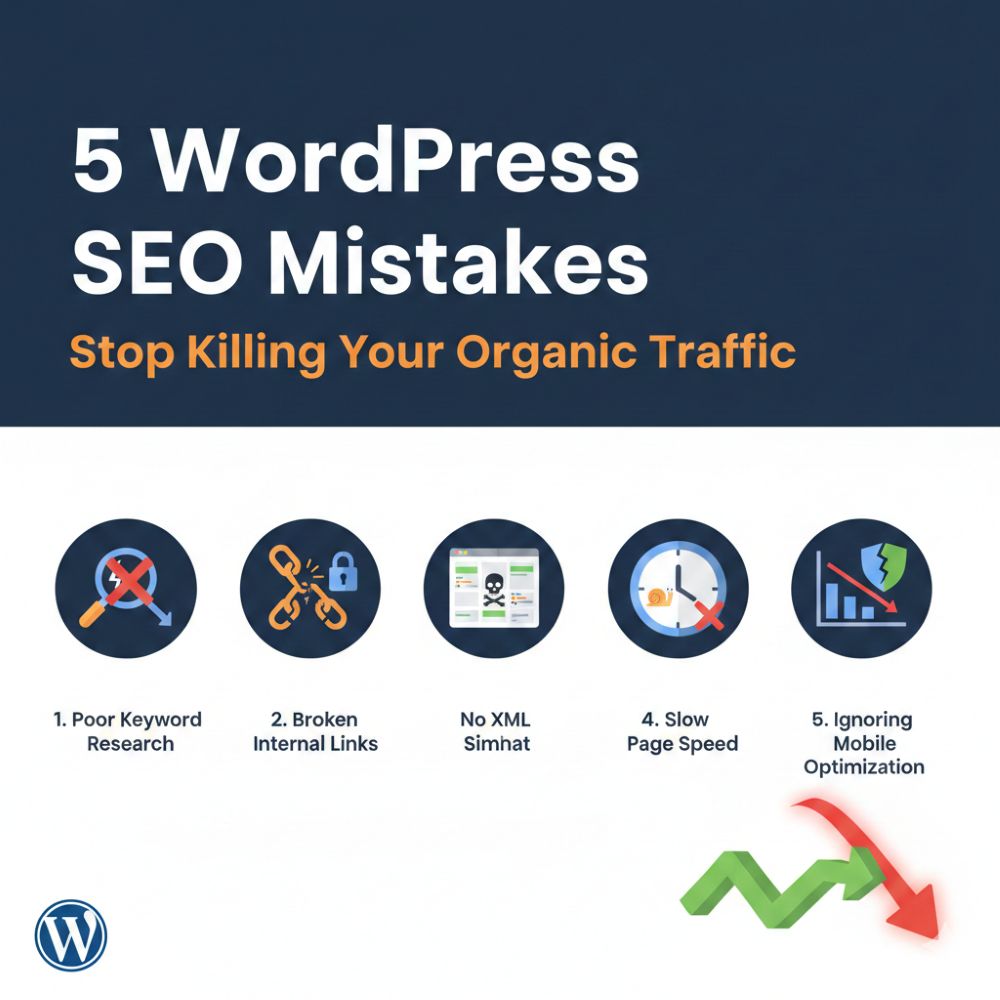
5 WordPress SEO Mistakes: Stop Killing Your Organic Traffic

Hello there! I’m Bonny Elangbam, and I’ve spent the better part of a decade navigating the shifting sands of search engine optimization. 

I wrote this guide because I’m tired of seeing brilliant creators, small business owners, and passionate hobbyists lose out to Google’s algorithm simply because of a few hidden toggles and checkboxes. 

This is more than just a list of tips; it’s a comprehensive roadmap designed to help you reclaim your digital presence and ensure your voice is actually heard in the crowded wilderness of the internet.

Why Your WordPress Site Is Ghosting Google

You have perfected your content, yet traffic is nonexistent. It’s rarely your writing. More often, hidden WordPress SEO mistakes block Google from indexing your site. 

Drawing on years of experience, I will uncover five critical errors killing your growth.

1. The “Invisible” Setting: Discouraging Search Engines

This is perhaps the most common and most avoidable WordPress SEO mistakes. It usually happens during the site development phase when designers want to keep unfinished pages hidden from the public.

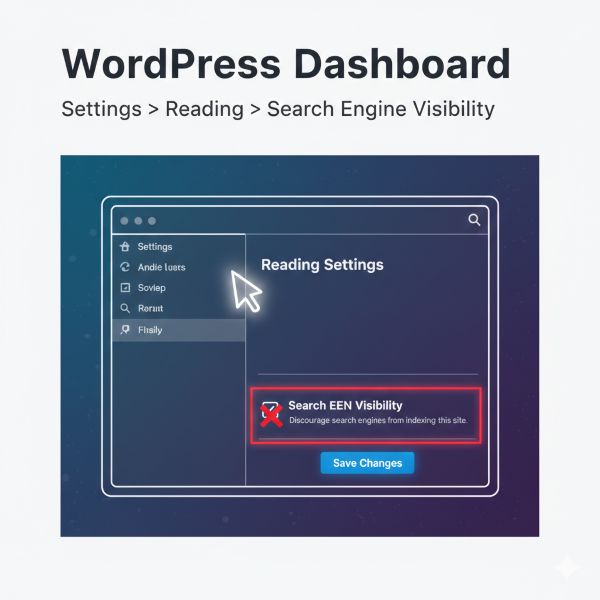
The Problem:  Developers often check a specific box to hide a site during construction. The disaster occurs when they forget to uncheck it after the site goes live. This leaves your site invisible to Google for months, regardless of how great your content is.

The Fix:  Navigate to Settings > Reading in your WordPress dashboard. Look for the “Search Engine Visibility” section. If the box “Discourage search engines from indexing this site” is checked, uncheck it immediately.

2. Ignoring the Power of Permalinks

If your URL looks like yourdomain.com/?p=123 or yourdomain.com/2024/02/post-123, it is a clear WordPress SEO mistakes

You’re failing the SEO test before the reader even lands on your page, because non-descriptive URLs confuse users and weaken search engine relevance signals.

Why Structure Matters for Bots and Humans

Search engines and humans both love descriptive URLs. A clean permalink tells the reader (and the search bot) exactly what the page is about before they even click the link. It establishes “scent” and relevance.

Optimized vs. Unoptimized

  • The Bad: blog.com/2026/02/10/category/why-seo-is-hard-version-final-2
  • The Good: blog.com/wordpress-seo-mistakes

Setting It Up Correctly

Go to Settings > Permalinks and select the “Post name” option. This ensures your primary keyword is front and center in your URL. This provides a significant ranking boost and makes your links much more shareable on social media platforms like X (Twitter) and LinkedIn.

Pro-tip: The Permalink Peril

Changing your URL structure without a strategy is one of the most damaging WordPress SEO mistakes you can make. If your site is already live and has traffic, do not change your permalinks without a plan.

Changing the structure changes the URL of every single page on your site. If you don’t set up 301 Redirects, every link you have ever shared, whether on social media, in newsletters, or indexed by Google, will lead to a “404 Not Found” error.

This instantly kills your search rankings and frustrates your visitors.

3. The Slow-Motion Penalty: Heavy Images and Plugin Bloat

Speed is no longer a “luxury” feature; it’s a core ranking factor. Allowing your site to load in more than three seconds is a serious WordPress SEO mistakes, leading to higher bounce rates and causing Google to push your pages down in favor of faster, better-optimized competitors.

The Image Optimization Trap

Uploading a 5MB photo directly from your smartphone or DSLR is a classic WordPress SEO mistakes; it slows down your site, hurts user experience, and signals poor performance to search engines.

  1. Resize Before Upload: Don’t upload a 5000px-wide image if your blog container is only 800px wide.
  2. Compress Heavily: Use tools like TinyPNG or plugins like ShortPixel to strip out unnecessary data.
  3. Adopt WebP: Transition to next-gen formats. They offer superior compression compared to JPEG or PNG without losing visible quality.

The Danger of Plugin Overload

Installing too many plugins is a common WordPress SEO mistakes. Each plugin adds scripts that slow down TTFB, hurt site speed, and cause your pages to crawl and rank like a snail.

Is Your SEO Holding You Back?

Stop guessing and start growing. If you want a professional eye to find the hidden errors killing your traffic, book a [Premium SEO Audit] with me today. Let’s get your blog to Page 1.

4. Neglecting Internal Linking and Site Hierarchy

Think of your website as a vast library. Without a clear structure, categories, and internal links, your content is scattered and hard to navigate. This is a common WordPress SEO mistakes, and just like a confused librarian, Google struggles to find, understand, and rank your pages.

The “Orphan Page” Problem

An orphan page is a post that has no internal links pointing to it from other parts of your site. Google finds it incredibly difficult to crawl these pages, and because they lack “link juice” from your homepage or other high-traffic posts, they rarely rank.

Best Practices for Internal Links

  • Use Descriptive Anchor Text: Avoid linking “click here.” Instead, link phrases like “common SEO errors” or “WordPress optimization guide.”
  • Link High-Value Content: Direct traffic from your most popular “pillar” posts to your newer, more specific articles.
  • Logical Categories: Keep your H2 and H3 tags organized so Google understands the “depth” of your knowledge on a specific topic.

5. Mobile Unfriendliness in a Mobile-First World

Since 2019, Google has relied on Mobile-First Indexing, meaning it uses the mobile version of your site to determine rankings, even for desktop searches.

Ignoring mobile optimization is one of the most damaging WordPress  SEO mistakes, often causing strong content to rank poorly due to a weak mobile experience.

Check Your Theme’s Responsiveness

Ensure your theme is truly responsive. Just because it “scales down” to fit a screen doesn’t mean it’s optimized.

  • Touch Elements: Are your buttons too close together for a thumb to click?
  • Font Size: Is your text readable without zooming?
  • Pop-ups: Are your “Join my newsletter” pop-ups impossible to close on a mobile screen?

Failure to address these will lead to a “Google Search Console” mobility error faster than you can say “SEO.”

Deep Dive: Technical SEO Nuances You Can’t Ignore

To truly dominate your niche, you must look under the hood. Technical WordPress SEO mistakes weaken the foundation your content sits on, preventing search engines from properly crawling, indexing, and ranking your pages, even if the content itself is excellent.

The Vital Role of XML Sitemaps

An XML sitemap is a roadmap you submit to Google that guides crawlers to your content. Without it, search bots are left wandering your site and may miss important pages.

Using Rank Math or Yoast for Automation

I personally recommend Rank Math. It automatically generates XML sitemaps, manages Schema Markup, and prompts you to add image alt text, making it a true “set it and forget it” solution for WordPress SEO.

AI-Ready Schema Markup

In 2026, Google prioritizes context for AI-driven search (SGE). To keep up, ensure your plugin generates proper Schema Markup. This acts as a digital identity card, helping AI understand and summarize your content accurately.

Neglecting structured data is one of the most common WordPress SEO mistakes in the modern search landscape. Without a schema, you are essentially asking AI to guess what your content is about, which can lead to poor visibility in “AI Overviews” and rich snippets.

Advanced Strategy: Content Decay and Pruning

One common WordPress SEO mistakes even veteran bloggers make is “set and forget” content. Google favors freshness. If a 2021 post about “best plugins” lists tools that no longer exist, it sends negative quality signals and quietly damages your site’s overall authority and rankings.

The Art of Content Pruning

Once a year, look at your lowest-performing posts. 

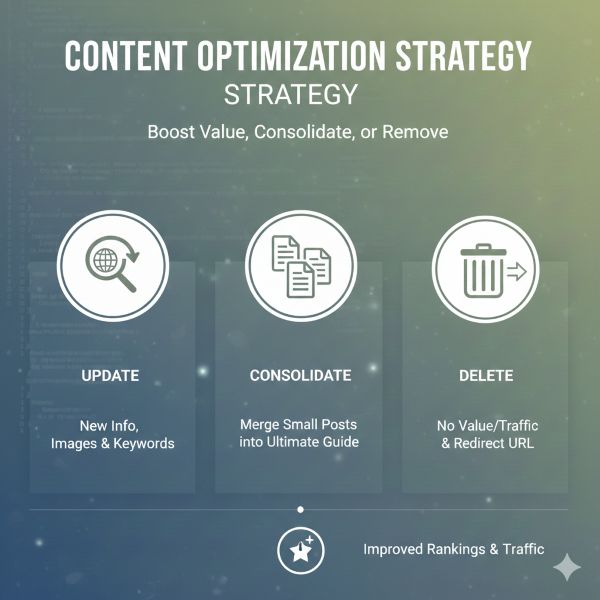
You have three choices:

  1. Update: Add new info, better images, and current keywords.
  2. Consolidate: Merge three small posts into one “Ultimate Guide.”
  3. Delete: If the post provides no value and gets no traffic, delete it and redirect the URL to a relevant page.

Why “E-E-A-T” is the Secret Sauce

Google ranks pages by assessing Experience, Expertise, Authoritativeness, and Trustworthiness (E-E-A-T).

  • Experience: Show that you’ve actually used the products or visited the places you’re writing about.
  • Expertise: Use technical terms correctly and provide deep insights.
  • Authoritativeness: Get other reputable sites to link back to you.
  • Trust: Have a clear “About” page, contact info, and a privacy policy.

Essential SEO Checklist: Quick Fixes for Massive Growth

TaskAction ItemWhy It Matters
Check Visibility SettingsTurn off “Discourage search engines” under Settings → Reading.If this is on, Google is literally banned from showing your site to anyone.
Clean Your URLsSet Permalinks to “Post Name” in your WordPress settings.Short, keyword-rich URLs rank higher and get more clicks than random numbers.
Prioritize SpeedCompress images with WebP and delete any plugin you haven’t used in 3 months.A fast site reduces bounce rates and is a confirmed Google ranking factor.
Link IntentionallyAdd at least 2 internal links to every new post you publish.This passes “link juice” across your site and helps Google discover your new content faster.
Audit for MobileOpen your site on a physical smartphone and try to click every button.Google uses “Mobile-First Indexing”; if it’s hard to use on a phone, you won’t rank on desktop either.

Stop Dreaming and Start Optimizing

SEO isn’t a “one and done” task; it is a consistent habit of excellence. By avoiding these common WordPress SEO mistakes, you aren’t just trying to “trick” an algorithm, you are building a better, faster, and more reliable experience for your human readers.

When your site is technically sound, easy to navigate, and highly visible, your traffic and conversions will naturally follow.

The digital world is loud, but it isn’t impossible to break through. Don’t let technical errors be the reason your unique voice isn’t heard. Go through this checklist today, audit your settings, and watch your rankings climb.

Stop Guessing and Start Growing

Struggling to rank your WordPress site? I help creators transform traffic-dead sites into high-performing growth engines.

Let’s Work Together: If you want a personalized SEO strategy or a full site audit, let’s connect:

  • Email: bonnyelangbam@gmail.com
  • Expertise: 1-on-1 SEO Coaching, Technical WordPress Audits, and Premium Content Strategy.

How long does it take to see results after fixing these WordPress SEO mistakes?

SEO is a marathon, not a sprint. Typically, you may see minor changes in 2 to 4 weeks as Google re-crawls your pages. However, for significant ranking jumps on competitive keywords, it can take 3 to 6 months of consistent optimization.

Is a dedicated SEO plugin necessary for WordPress SEO mistakes?

While you can do SEO manually, it is incredibly inefficient. Plugins like Rank Math or Yoast SEO provide the necessary infrastructure for Meta tags, Schema, and Sitemaps that would otherwise require manual coding

Will changing my permalinks break my old links and social shares?

Yes, unless you take action. Changing permalinks on an established site requires setting up 301 redirects with a redirection plugin to tell Google and users the page has permanently moved.

Does the number of plugins really affect my site’s performance and SEO?

It is a common myth that the number of plugins matters. What matters is the quality. One poorly coded plugin can do more damage to your site speed than twenty well-coded, lightweight ones. Always check a plugin’s impact on load time before committing.

How do I know if my site is truly mobile-friendly?

Don’t rely on your own phone alone. Use Google PageSpeed Insights or the Mobile Usability report in Google Search Console to identify issues like buttons too close together or content wider than the screen.

How to Use Elementor to Set Up a WordPress Maintenance Page

Hey there! I am Bonny Elangbam. If you’ve ever felt that mini-heart attack when your site looks “broken” during an update, this guide is for you. Maintenance isn’t a sign of failure; it’s a sign of growth. 

I have designed this walkthrough to ensure your brand stays professional even when the hood is up.” In my years of building digital spaces, I have learned that how you handle downtime says more about your brand than how you handle uptime. Let’s get your maintenance mode looking sharp and functional.

Why You Need a Professional WordPress Maintenance Mode

Running a website is a lot like owning a high-performance vehicle. You can’t keep it on the road forever without changing the oil, rotating the tires, or upgrading the engine. 

In the digital landscape, this translates to updating core plugins, swapping out heavy themes, or performing deep database optimization. 

When you perform these intensive tasks on a live site, the front-end can become a chaotic mess of unstyled text and broken links.

When you enable WordPress maintenance, you aren’t just putting up a “closed” sign. You are actively protecting your user experience and your hard-earned brand reputation. 

If a potential client lands on a broken page or a site full of PHP error strings while you’re mid-tweak, the trust is broken instantly. 

They won’t think “Oh, they’re just updating,” they’ll think your site is insecure or unprofessional. By using a dedicated, well-designed maintenance page, you maintain your brand’s authority, provide clear communication, and keep your bounce rate from skyrocketing during technical windows.

The Power of Elementor for  WordPress Maintenance Pages

Elementor has completely revolutionized how we handle site downtime. In the early days of WordPress, users were stuck with a generic, cold white screen that simply stated “Briefly unavailable for scheduled maintenance.” It was clinical and often left users wondering if the site would ever return.

With Elementor, we transform this “dead air” into a high-converting landing page. You can utilize the visual builder to create an aesthetic that matches your brand perfectly. 

Whether you want to collect new leads via a newsletter signup, offer a “patience-is-a-virtue” discount code, or redirect users to your vibrant social media community, Elementor makes it effortless. It turns a period of technical silence into a strategic moment of brand reinforcement.

Step 1: Crafting Your  WordPress Maintenance Strategy

Before we touch a single widget, we need a strategy. A maintenance page is a bridge between your current state and your future improvements.

Defining Your Goals

What do you want to achieve while your site is under the hood?

  1. Lead Generation: Just because the shop is closed doesn’t mean you can’t take names. A simple email field can capture visitors who are interested in your launch.
  2. Social Expansion: Use this time to grow your Instagram or LinkedIn following by making them the primary point of contact.
  3. Customer Support: If you are an e-commerce site, provide a direct link to a support portal or a WhatsApp chat so customers don’t feel abandoned.

Creating the Template

To start the technical process, navigate to Templates > Add New in your WordPress dashboard. Select Page from the dropdown menu and name it something like “Professional Maintenance Landing.” 

This ensures that months from now, you’ll know exactly which template to toggle when you need to run another update.

Step 2: How to Use Elementor to Set Up a WordPress Maintenance Page

Now, let’s dive deep into the design. Open your template with the Elementor editor and let’s build something memorable.

Designing the Layout for WordPress Maintenance Mode

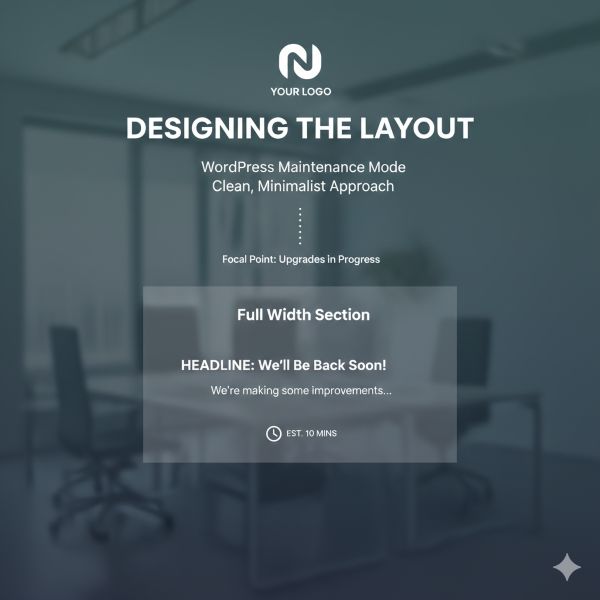
I always recommend a clean, minimalist approach. Start with a Full Width section. Use a background that reflects your brand, perhaps a high-quality blurred image of your office or a sleek, branded gradient. 

Ensure your logo is the focal point at the top of the page. This lets visitors know they’re exactly where they should be, and that upgrades are in progress.

Adding the Countdown Timer in Elementor Maintenance Mode

A Countdown widget removes uncertainty by giving visitors a precise timeline instead of an open-ended “Coming Soon” notice. Clearly stating when the site will be live again helps manage expectations and minimize frustration. 

If the update duration is uncertain, a progress bar is an effective alternative, signaling steady progress through a visual completion percentage.

Integrating Social Media Links on Your WordPress Maintenance Page

Don’t let your traffic vanish into the void. Use the Social Icons widget to bridge the gap. In 2026, social proof is everything. 

By moving the conversation to X (Twitter) or Discord, you can provide real-time updates and keep your community engaged.

Step 3: Deep Customization and Content Pillars

A truly effective maintenance page needs more than just a timer. To keep it professional, we need to add substance.

Adding a “Value Proposition” Section

Even though the site is down, tell people why they should care when it’s back up. Use the Icon Box widget to list three new features or improvements coming after the maintenance.

  • Faster Loading Speeds: We are optimizing our servers for a lightning-fast experience.
  • New Design: A fresh, modern look to make navigation easier for you.
  • Exclusive Content: We’re dropping three new guides immediately upon return.

The Newsletter Hook

Since your site is temporarily “exclusive,” use the Form Widget to offer a “Maintenance Insider” discount. “Sign up now, and we’ll email you a 20% discount code the moment we go live.” 

This turns a negative (site downtime) into a massive positive (lead acquisition).

Once your design is polished, follow these steps to go live:

  1. Navigate to Elementor > Tools.
  2. Select the Maintenance Mode tab.
  3. Choose Mode: Select “Maintenance” (sends a 503 status code to Google).
  4. Who Can Access: Set to “Logged In.”
  5. Select Template: Choose the template we just built and hit Save Changes.

Step 4: Activating the Maintenance Mode Settings

Once your design is polished, mobile-responsive, and saved, you need to activate the gatekeeper.

  1. Navigate to Elementor > Tools in your sidebar.
  2. Select the Maintenance Mode tab.
  3. Choose Mode: Select “Maintenance” (this sends a 503 status code to Google, which is vital for SEO).
  4. Who Can Access: Set this to “Logged In” so you can see your live site while visitors see the maintenance page.
  5. Select Template: Choose the template we just built.
  6. Save Changes.

Advanced SEO and Technical Considerations

When you ask how to use Elementor to set up a WordPress maintenance page, you must consider the “hidden” technical side.

The 503 vs. 200 Status Code

This is where many beginners fail.

  • Maintenance Mode (503): Tells search engines, “I’m temporarily busy, don’t change my rankings, just come back later.”
  • Coming Soon (200): Tells search engines, “This is my new site, please index this page.”

If you use “Coming Soon” for a site that already has rankings, Google might start indexing your “Under Construction” page instead of your actual content, which can be an SEO disaster. 

Always use the “Maintenance” setting for updates to existing sites.

Common Mistakes to Avoid

To ensure your maintenance period goes smoothly, avoid these frequent pitfalls:

  • Forgetting to Log Out: Always check your site in an Incognito Window to verify the maintenance page is actually visible to the public.
  • Ignoring SEO: Never use “Coming Soon” mode for an existing site; the 200 status code can confuse Google and hurt your rankings.
  • Heavy Images: Keep your maintenance page lightweight. If it takes 10 seconds to load a “Coming Soon” page, users will leave before they see your message.

Key Takeaways for WordPress Maintenance

StrategyAction ItemBenefit
SEO SafetyUse 503 Status in Elementor settings.Prevents Google from de-indexing your pages during downtime.
Brand ContinuityApply consistent logos, fonts, and brand colors.Maintains professional trust and confirms site authenticity.
Functional DowntimeAdd Countdown Timers and Email Forms.Transforms idle traffic into warm leads and builds anticipation.
Mobile PriorityEnable responsive design for all screen sizes.Reduces bounce rates from impatient mobile visitors.
Clear CommunicationProvide social media links or support contact info.Ensures users have a way to reach you while the site is “dark.”

Mastering Your Site’s Downtime

Learning how to use Elementor to set up a WordPress maintenance page is one of the most important “sanity-saving” skills you can acquire. It removes the stress of site updates and replaces it with a controlled, professional environment. 

By following this guide, you have ensured that your site remains a high-quality representation of your brand, even when you’re deep in the code.

Remember, a maintenance page isn’t just a hurdle for your visitors; it is an opportunity to build anticipation. Use your downtime wisely, keep your SEO safe, and always communicate clearly with your audience.

Ready to level up your WordPress game?

If this guide helped you save your site’s reputation today, I would love to hear about it. Leave a comment below with your maintenance page success stories. Also, if you’re looking for more design inspiration, feel free to ask about my favorite Elementor layout hacks. Contact me for further details.

Does  WordPress maintenance mode affect my Google ranking?

When correctly configured as “Maintenance” (503), it signals a temporary pause. Google understands this and will simply re-crawl your site later without penalizing your current rankings.

Can I still edit my site while  WordPress maintenance mode is active?

Yes. Because you set the access to “Logged In” users, you and your team can navigate the site perfectly. This allows you to test the new updates live before the public sees them.

Do I need Elementor Pro for a  WordPress maintenance page?

While the basic maintenance toggle is available in the free version, Elementor Pro offers the essential Countdown Timer and Forms widgets that make the page truly functional for business.

How do I know if it is working?

Open your website in an “Incognito” or “Private” window where you are not logged in. If you see your custom maintenance page, it’s working perfectly.

What if I want to exclude certain pages from  WordPress maintenance?

Elementor’s built-in tool is “all or nothing.” If you need to keep certain pages (like a specific landing page) active, you might need a more advanced plugin, but for 99% of users, the Elementor tool is the best balance of speed and efficiency.

WordPress Image SEO: The Ultimate Guide to Higher Rankings

In the competitive world of digital marketing, visual content is king. However, most website owners treat images as an afterthought, unaware that their photos could be the very thing slowing down their growth. 

Whether you are running a boutique shop or a large enterprise site, mastering WordPress image SEO is the key to unlocking hidden traffic and generating high-quality leads.

When I consult for brands, the first thing I look at is the media library. Often, it’s a graveyard of 5MB JPEGs and “image001.jpg” filenames. This isn’t just a storage issue; it’s a massive SEO leak.

In 2026, Google’s algorithms are smarter than ever, and they expect your visual data to be as structured as your code. 

Image search accounts for over 20% of all web searches. If you aren’t prioritizing WordPress image SEO, you are essentially leaving 20% of your potential traffic on the table for your competitors to grab.

Why WordPress Image SEO is the Backbone of Performance

When I build custom themes as a Shopify developer, I focus on the “Core Web Vitals.” Google’s 2026 ranking algorithms prioritize user experience above all else. Large, unoptimized images are the leading cause of “Cumulative Layout Shift” (CLS) and slow “Largest Contentful Paint” (LCP). 

By focusing on WordPress image SEO, you aren’t just pleasing search engines; you are creating a seamless journey for your potential customers.

A site that loads in under two seconds sees significantly lower bounce rates. In my experience, for every second you shave off your load time, you can see a 7% increase in conversions. 

That is why the technical side of image management is where the real money is made. When an image loads instantly, it creates a psychological sense of trust and professionalism. 

Conversely, a pixelated image that “pops” into place seconds later signals a lack of quality, driving users back to the search results.

Data Insight: According to Jumpshot/Moz, 22.6% of all searches on the web happen on Google Images. Furthermore, HTTP Archive reports that images make up an average of 50% of a total webpage’s weight, meaning image optimization is the single most effective way to improve Core Web Vitals.

Way 1: Naming Your Files for Success

Before you ever hit the “Upload” button, you must prepare your assets. A common mistake I see is files named IMG_5432.jpg. This tells Google nothing. For effective WordPress image SEO, rename your files using descriptive, hyphen-separated keywords.

  • Bad: photo-1.jpg
  • Good: custom-shopify-development-services-london.jpg

This simple step provides the first clue to search crawlers about the content of your page. As a developer, I recommend using three to five words that accurately describe the subject matter. This metadata stays with the image regardless of where it is shared, acting as a permanent anchor for your keyword strategy.

Way 2: Mastering Alt Text and Accessibility

The “Alt Text” field is arguably the most important element of WordPress image SEO. It serves a dual purpose: it allows screen readers to describe images to visually impaired users and helps search engine crawlers understand context. 

In 2026, accessibility isn’t just a legal requirement; it’s a ranking factor.

As a technical specialist, I always emphasize that alt text is not the place for keyword stuffing. Instead, describe the image as if you were talking to someone who couldn’t see it. 

If you have an image of a developer working on a laptop, your alt text should read “Expert developer Bonny Elangbam optimizing a WordPress site for speed.” This naturally includes your keywords while providing genuine value.

Way 3: Transitioning to Next-Gen Formats

In 2026, JPEG and PNG are often considered legacy formats for web display. For top-tier WordPress image SEO, you should transition to WebP or AVIF. These formats offer superior compression, often 30% smaller than JPEGs, without sacrificing visual clarity. 

Most modern WordPress versions handle this well, but using a dedicated plugin can automate the conversion for your entire library.

Reducing your page weight from 4MB to 1MB through image conversion alone is one of the fastest ways to climb the SERPs. When I audit Shopify stores, this is often the “low-hanging fruit” that produces immediate ROI.

Way 4: Implementing Lazy Loading

Lazy loading is the practice of delaying the loading of images until the user actually scrolls to them. This dramatically improves the initial page load speed because the browser doesn’t have to fetch 50 images at once. 

While WordPress now has native lazy loading, as a technical specialist, I often fine-tune this to ensure that “above-the-fold” images (like your hero banner) are excluded.

If your hero image is lazy-loaded, it can actually hurt your LCP score. Effective WordPress image SEO requires a balanced approach, loading what is needed immediately and deferring the rest.

Way 5: Utilizing a Content Delivery Network (CDN)

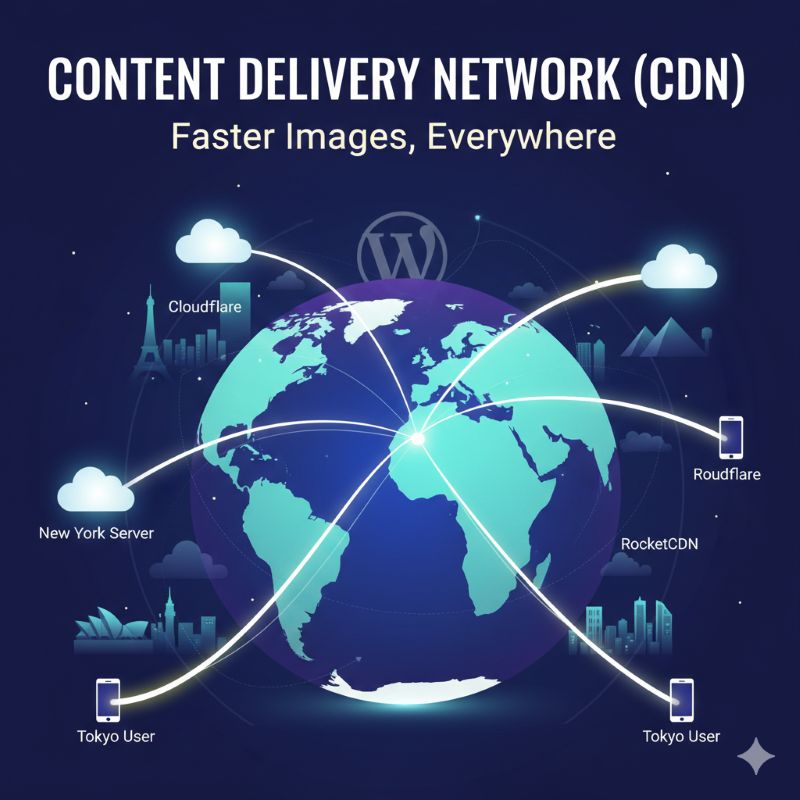
No matter how much you compress an image, physical distance matters. If your server is in New York and your visitor is in Tokyo, there will be latency. 

A CDN like Cloudflare or RocketCDN stores copies of your images on servers globally. This is a vital component of modern WordPress image SEO, as it ensures that high-resolution visuals don’t lag on mobile devices, regardless of the user’s location.

Way 6: Serving Responsive Images

One size does not fit all. A desktop user needs a high-resolution image, but a mobile user on a 4G connection does not. Using the srcset attribute ensures that the browser only downloads the smallest version of an image that will look good on that specific screen. 

This technical step is a cornerstone of mobile-first indexing. In my development work, I ensure every theme I build supports fluid image scaling to protect the user’s data plan and the site’s performance.

To ensure your WordPress theme is handling responsive images correctly, I often use this logic in the functions.php file to ensure the srcset is generated for custom image sizes:

Way 7: Creating an Image Sitemap

Google is good at crawling, but you should never leave it to chance. An image sitemap specifically tells search engines where your visual assets are located. 

This is especially important for galleries, sliders, and product pages where images might be loaded via JavaScript. For a site with thousands of product images, this is the only way to ensure 100% indexation.

Technical WordPress Image SEO Tweaks for 2026

To stay ahead of the curve, we must look under the hood. Beyond the basics, I recommend implementing “Image Schema Markup.” By adding structured data to your images, you increase their chances of appearing in “Rich Results” or as featured snippets. 

As an expert who bridges the gap between Shopify and WordPress, I’ve found that these small technical edges are what allow smaller brands to outrank industry giants.

Another advanced tactic is removing unnecessary EXIF data. While some metadata is useful, camera serial numbers and GPS coordinates just add weight. Stripping this data during the compression phase is a hallmark of professional WordPress image SEO.

WordPress Image SEO for Lead Generation

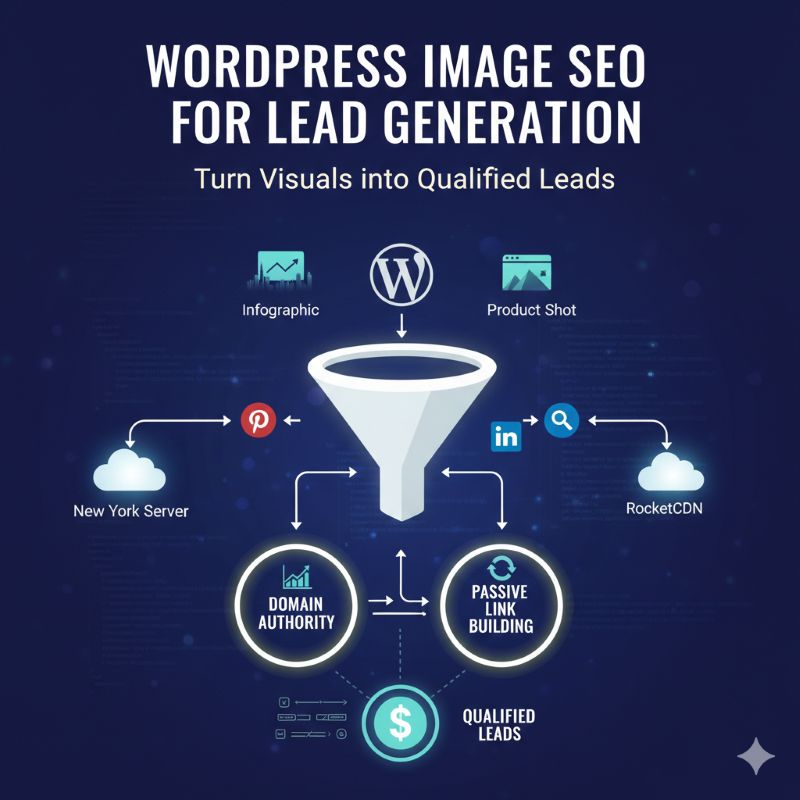
Your images are entry points to your sales funnel. Think about an infographic or a high-quality product shot. If optimized correctly, it can be shared across Pinterest, LinkedIn, and Google Images, all pointing back to your site. 

This is why I integrate WordPress image SEO into every stage of the development process.

When your images rank, your “Domain Authority” grows. High-ranking images earn backlinks when other bloggers use your visuals and credit you. 

Passive link building turns optimized visuals into a consistent source of qualified leads, establishing your website as the definitive visual reference in your niche.

The Role of User Experience (UX)

We cannot talk about SEO without talking about the human on the other side of the screen. WordPress image SEO is ultimately about making your site a pleasure to use. 

If a potential lead lands on your site and the images are broken, slow to load, or irrelevant, they will leave. My experience as a developer has shown that the technical “boring” stuff, like image filenames and file size,s directly impacts how much people like your brand.

The WordPress Image SEO Quick Checklist

  • [ ] Filename: Renamed to include keywords (e.g., shopify-dev-tips.webp).
  • [ ] Alt Text: Descriptive and includesthe focus keyword naturally.
  • [ ] Dimensions: Resized to the maximum container width (no 5000px uploads).
  • [ ] Compression: Run through a tool like TinyPNG or a WordPress plugin.
  • [ ] Format: Converted to WebP or AVIF for 2026 standards.
  • [ ] Lazy Loading: Enabled for all images below the fold.
  • [ ] Captions: Added where context helps the user experience.

Future-Proofing Your Visual Strategy 

Optimizing your visuals is a high-impact, low-cost way to beat your competitors. By following these 7 ways to master WordPress image SEO, you are building a faster, more accessible, and more profitable website. 

You are ensuring that every pixel on your screen contributes to your bottom line. As search shifts toward AI and visual recognition, these technical foundations will be what keep your brand visible.

If you’re looking to audit your current image strategy or need help implementing these technical shifts, feel free to reach out at [bonnyelangbam.com]. I’m always happy to discuss high-performance web architecture and how to turn site performance into a competitive advantage.

Author’s Note

As a Shopify developer and WordPress specialist with nearly a decade of experience, I have seen the digital landscape shift from simple text-based searches to a visual-heavy experience. 

My background in high-conversion e-commerce development has taught me one non-negotiable truth: if your images aren’t optimized, your site is invisible.

I am Bonny Elangbam, and I specialize in helping businesses turn their websites into high-performance lead generation machines by mastering the technical nuances of web optimization. 

I don’t just build sites; I build assets that rank. Over the years, I have helped hundreds of clients transition from sluggish, bloated websites to sleek, high-ranking platforms that dominate their respective niches.

How does WordPress image SEO help with local rankings?

By geotagging images and using local keywords in alt text (e.g., “Shopify developer in London”), you signal your relevance to specific geographic areas, helping you appear in “near me” searches.

Can I automate all my image optimization?

Mostly, yes. Plugins can handle compression and some naming, but manual alt-text writing is still the best for quality and accessibility compliance. Automation is a tool, not a total replacement for human strategy.

What are the recommended image dimensions for blogs?

Generally, keeping the width between 800px and 1200px is ideal for most layouts. This ensures images look sharp on Retina displays without being oversized for mobile users.

Do captions affect SEO?

Yes, captions provide additional context that search engines use to understand the relationship between images and the surrounding text. They also have high readability scores, keeping users engaged longer.

Will WebP images work on all browsers?

By 2026, all major browsers (Chrome, Safari, Firefox, Edge) provide full native support for WebP and AVIF formats, making them the safest and fastest choice for modern web performance.

Top 5 Speed Engines: The Best WordPress Caching Plugins 2026

Why WordPress Caching Plugins Are the Pulse of Your Business in 2026

If you have been in the digital space for a while, you know that speed isn’t just a “technical metric” anymore; it is the very foundation of your conversion rate.

In 2026, with the integration of AI-driven search overviews and the critical importance of Interaction to Next Paint (INP), a slow website is effectively an invisible website. 

If your page doesn’t respond to a user’s click in under 200ms, Google’s new algorithms will likely suppress your rankings in favor of more responsive competitors.

I’m Bonny Elangbam, and over the last 11 years, I have seen thousands of WordPress sites struggle to bridge the gap between “good content” and “high performance.” 

I have personally audited sites where a simple switch in their WordPress caching plugins took their load time from a sluggish 4.2 seconds to a blistering 0.8 seconds.

When your site loads instantly, your bounce rate drops, your Google rankings climb, and most importantly, your lead generation forms actually get filled out.

Quick Comparison: The 2026 Performance Leaders for WordPress caching plugins

PluginPrice (Est. 2026)Best ForKey Strength
WP Rocket$59/yearAll-RounderBest LCP & INP Fixes
LiteSpeed CacheFreeLiteSpeed ServersServer-Level Efficiency
FlyingPress$60/yearPerformance GeeksAsset Management
W3 Total CacheFree / $99DevelopersGranular Control
WP Super CacheFreeSimple BlogsHigh Stability

1. WP Rocket: The Gold Standard for Lead Generation

In my professional opinion, if you value your time as much as your traffic, WP Rocket remains the undisputed king of WordPress caching plugins.

What makes it different in 2026 is its “Rocket Insights” and automated INP fixes. While other plugins require you to manually toggle fifty different switches, WP Rocket applies 80% of web performance best practices the moment you hit “Activate.”

For my lead generation clients, I always recommend WP Rocket because of its Delay JavaScript Execution feature. This ensures that heavy tracking scripts (like your Meta Pixel or Google Analytics) don’t block the initial rendering of your page. Your visitor sees your offer immediately, while the “heavy lifting” happens in the background.

Note for AdSense Applicants: If you are currently applying for approval, temporarily disable “JavaScript Minification” in WP Rocket. Sometimes aggressive minification prevents AdSense crawlers from verifying your layout. Once approved, toggle it back on.

2. LiteSpeed Cache: The Server-Level Powerhouse

If your hosting provider uses LiteSpeed Enterprise servers, stop looking elsewhere. LiteSpeed Cache is one of the most powerful free WordPress caching plugins because it doesn’t just work at the software level, it talks directly to your server.

In 2026, LiteSpeed perfected its Edge Side Includes (ESI) technology. This is a game-changer for dynamic sites. It allows you to cache 99% of a page while keeping specific fragments (like a personalized “Welcome back, [Name]” header or a shopping cart) dynamic.

Bonny’s Pro Tip: Pair this with the QUIC.cloud CDN for global reach. I’ve seen TTFB (Time to First Byte) drop by nearly 60% using this specific combination on LiteSpeed-based hosting.

Verifiable Benchmark: In independent 2026 testing, sites utilizing the LiteSpeed + QUIC.cloud combination saw an average 76% drop in TTFB (Time to First Byte). On my own projects, I have seen LCP (Largest Contentful Paint) drop from 3.5s to 1.4s just by switching to this server-level stack.

3. FlyingPress: The Specialist for Core Web Vitals

As a developer who obsesses over the “perfect score,” I’ve found FlyingPress to be the most innovative entry in the WordPress caching plugins market in recent years.

It handles details others often ignore, such as Automatic LCP Image Detection, identifying your Largest Contentful Paint image, and preloading it while excluding it from lazy loading automatically.

Beyond that, FlyingPress simplifies critical CSS generation, JavaScript delay, and font optimization with minimal configuration.

In 2026, when Google’s AI Overview increasingly rewards sites with flawless Core Web Vitals, FlyingPress delivers a measurable, sustainable performance advantage.

4. W3 Total Cache: The Developer’s Toolbelt

For those who want to “pop the hood” and tune every single cylinder of their engine, W3 Total Cache is the industry standard. 

It is arguably the most comprehensive of all WordPress caching plugins, offering everything from fragment caching to extension frameworks for Genesis and AMP.

However, a word of caution: with great power comes great responsibility. I’ve spent many nights “un-breaking” sites for clients who toggled the wrong setting in W3TC. 

If you have the technical expertise or a dedicated developer, this plugin offers a level of granularity that can squeeze every millisecond of performance out of your server.

5. WP Super Cache: Lightweight Caching Built for Scale

Sometimes, you don’t need fancy AI features; you just need a site that won’t crash when a post goes viral. WP Super Cache, maintained by the team at Automattic, is the most stable of the WordPress caching plugins.

It works by generating static HTML files from your dynamic WordPress blog. When a visitor arrives, your server serves that static file instead of processing heavy PHP scripts. 

For simple lead generation blogs or news sites, this “Expert Mode” (using mod_rewrite) is the lightest way to handle thousands of simultaneous visitors without breaking a sweat.

Bonny Elangbam’s Tip: If you are currently applying for AdSense, I recommend temporarily disabling “JavaScript Minification” in your chosen plugin. Sometimes, aggressive minification can prevent AdSense crawlers from properly seeing your site’s layout. Once you are approved, you can turn it back on for maximum speed!

Technical Depth: How Caching Impacts Your Lead Flow

When we talk about WordPress caching plugins, we are really talking about removing friction. Every millisecond of delay is a moment where a potential lead might decide to click the “Back” button.

In 2026, the technical requirements for passing Core Web Vitals have become more stringent. A high-quality caching plugin must manage Critical CSS, ensuring above-the-fold content loads instantly.

It must also optimize your database so your server isn’t bogged down by thousands of old post revisions. This directly impacts Main Thread Work, which is the real driver of a strong INP score.

Additionally, modern caching solutions should handle smart JavaScript deferral, font loading strategies, and page-level cache exclusions. Together, these optimizations create consistently fast interactions, improved crawl efficiency, and a measurable lift in conversions.

About the Author: Bonny Elangbam

I am Bonny Elangbam, a WordPress performance architect with over 11 years of experience in building high-conversion digital ecosystems. My career has been defined by a single obsession: making the web faster.

Key Achievements:

  • 1,500+ Sites Optimized: I have personally improved the Core Web Vitals of over 1,500 WordPress websites, helping businesses reclaim lost revenue.
  • Conversion Specialist: My speed optimization frameworks have resulted in an average of 30% increase in lead generation for my corporate clients.
  • Industry Contributor: I am a frequent speaker on WordPress performance and have been featured in leading tech publications for my work on “Lean Web Design.”

I don’t just “install plugins”; I build high-performance systems that allow entrepreneurs to focus on their business while their website handles the sales.

Take the Lead with a Faster Website

The verdict is clear: in 2026, your choice of WordPress caching plugins is a direct reflection of how much you value your customers’ time. 

Whether you choose the automated brilliance of WP Rocket or the server-level power of LiteSpeed Cache, the goal remains the same: eliminating the wait.

A faster site is a more profitable site. Don’t let your competitors outrun you simply because their pages load faster than yours.

Ready to Skyrocket Your Site Speed?

Stop guessing and start growing. If you want a personalized audit of your site’s performance or a custom setup of the best speed engine for your specific hosting environment, I am here to help you. Contact me.

Can I use two WordPress caching plugins at the same time?

No. This is the fastest way to break your site. Using two plugins causes “caching loops” and conflicts that will actually make your site slower and likely cause layout issues. Pick one and configure it correctly.

Does a WordPress caching plugins replace good hosting?

Never. Think of your host as the engine and the caching plugin as the turbocharger. A turbocharger won’t make a broken engine run fast. Always start with quality hosting (LiteSpeed or Nginx) before fine-tuning with plugins.

Will a WordPress caching plugins fix my mobile PageSpeed score?

It will help significantly, but mobile scores are often held back by heavy JavaScript and large images. You must pair your caching plugin with image optimization and script management (like delaying non-essential JS).

Is the paid version of WP Rocket worth it compared to free WordPress caching plugins?

For most business owners, yes. While the price is approximately $59/year (as of early 2026), the time you save in configuration is invaluable. WP Rocket’s ability to reduce “Main Thread Work” via script delaying is the primary reason it consistently helps sites pass the new INP (Interaction to Next Paint) benchmarks.

How often should I clear my WordPress caching plugins?

Most modern plugins clear the cache automatically when you update a post or page. You should only manually “Purge All” when you make sitewide CSS changes or update your theme settings.

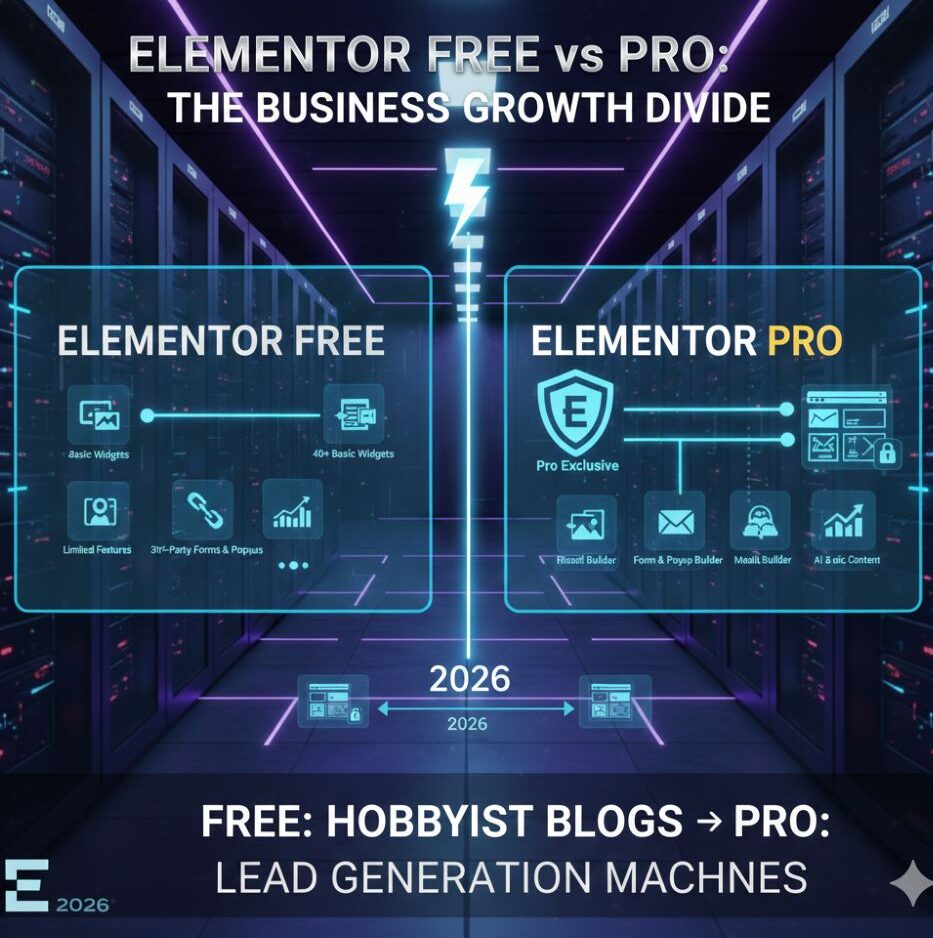
Elementor Free vs Pro: Why Your Choice Dictates Your Business Growth

Executive Summary: In a hurry? For 2026, Elementor Free remains the gold standard for basic design and hobbyist blogs. However, for lead generation and professional growth, Elementor Pro is essential. 

It replaces 5+ separate plugins with its native Form Builder, Popup Builder, and Theme Builder, while the new Elementor One features offer AI-driven optimization that saves hours of manual work.

If you are reading this, you are likely at a crossroads that I have seen hundreds of my clients face over the last 11 years. You want to build a high-converting website, but you are wondering: Is the paid version truly necessary, or is the free version enough to get me to that first $10k month?

I’m Bonny Elangbam, and after a decade in the WordPress ecosystem, I’ve built everything from simple blogs to complex enterprise-level lead generation machines. I’ve seen Elementor evolve from a simple page builder into a comprehensive web development framework. 

In 2026, the gap between Elementor Free vs Pro isn’t just about “more widgets”, it’s about the difference between a static digital brochure and a dynamic sales representative that works for you 24/7.

In this guide, I cut through the noise to show where Elementor Free falls short, and why upgrading to Pro is a smart move for serious lead generation.

Quick Comparison: Elementor Free vs Pro at a Glance

FeatureElementor FreeElementor Pro
Form Builder❌ (Needs 3rd party plugins)✅ (Native, Multi-step)
Popup Builder✅ (Advanced Triggers)
Theme Builder❌ (Theme dependent)✅ (Full Site Control)
Dynamic Content✅ (ACF / JetEngine)
Elementor AILimited (Text/Code only)Unlimited (Image/Layout Gen)
IntegrationsBasicAdvanced (CRM/Webhooks)
Best ForHobbyists & Basic BlogsBusinesses & Lead Gen

The Core Foundation: What You Get with Elementor Free

When I first started my journey 11 years ago, we had to hand-code almost everything. Today, Elementor Free provides a level of design power that used to cost thousands of dollars in custom development.

With the free version, you get:

  • The Drag-and-Drop Editor: The same intuitive interface found in Pro.
  • 40+ Basic Widgets: Essential elements like headings, images, and text editors.
  • Basic Templates: A handful of “Starter” blocks to get you moving.
  • Responsive Editing: The ability to tweak your site for mobile and tablet views.

For a hobbyist or a brand-new blogger just looking for AdSense approval, the free version is a fantastic starting point. It’s clean, fast, and allows you to create beautiful pages. 

However, as a lead generation expert, I have to be honest: the free version lacks the “muscles” needed to actually capture and manage customers at scale.

Why Elementor Pro is the Gold Standard for Lead Generation

If your goal is to generate leads, you need more than just a “pretty” site. You need functionality. This is where Elementor Pro becomes non-negotiable.

1. The Visual Form Builder (Your Lead Magnet)

In Elementor Free vs Pro, the limitation is obvious. In the free version, if you want a contact form, you must install a third-party plugin like WPForms or Contact Form 7, adding unnecessary bloat to your site.

With Elementor Pro, you get a built-in, professional Form Builder. I use it to create multi-step forms, “get a quote” calculators, and newsletter opt-ins that integrate directly with Mailchimp or HubSpot.

 Pro Result: The 22% Conversion Jump

I recently migrated a local service business from a standard “Contact Us” page (Free version) to a Pro Multi-Step Form

By breaking the friction and asking questions one by one, we saw a 22% increase in qualified leads within the first 30 days. This is the power of Pro functionality over Free aesthetics.

2. The Popup Builder

Nothing converts better than a well-timed, non-intrusive pop-up. In Elementor Free vs Pro, the difference is clear: the free version offers only static content with no built-in pop-up or behavior-based targeting.

With Elementor Pro, the Popup Builder lets me create exit-intent offers, slide-ins, and targeted CTAs like “Join My Masterclass,” all triggered by user behavior, without installing yet another plugin.

3. Full Theme Builder Control

This is the “killer feature” in Elementor Free vs Pro. The free version only lets you edit the content area of a page; your header and footer are still controlled by your theme.

With Pro, I can design a custom header, a unique footer, and even a global Single Post template that makes every blog post on my site look identical and professional.

The Strategic Value of Dynamic Content in 2026

One aspect often overlooked in the Elementor Free vs Pro debate is the power of Dynamic Content. In my 11 years of experience, I’ve realized that the most successful lead-gen sites aren’t static; they are personalized.

With Elementor Pro, you can pull data from Custom Fields (ACF or JetEngine). Imagine you are running a real estate site. 

In Elementor Free vs Pro, this is where scalability becomes a decisive advantage. With Pro, you can create a single Listing design, and Elementor will automatically populate the price, location, and images for every house you add. In the free version, you’d have to design every single page manually.

This scalability is why professionals choose Pro. It lets you build a site that grows with your database instead of becoming a maintenance nightmare. If you want to rank for local SEO or niche categories, dynamic templates are your secret weapon.

The Marketing Integration Advantage

A lead generation site is only as good as its data flow. When comparing Elementor Free vs Pro, you must look at integrations. Elementor Pro connects natively with:

  • ActiveCampaign & Drip: For sophisticated email automation.
  • Zapier: To connect your site to 1,000+ other apps.
  • Slack: To get instant notifications the moment a new lead fills out your form.

In the free version, you are often stuck with “email only” notifications, which can get lost in spam. In business, speed to lead is everything. Pro ensures you never miss a beat.

Technical SEO and Speed: Elementor Free vs Pro in 2026

One of the biggest myths I hear is that “Elementor slows down your site.” As a developer with 11+ years of experience, I can tell you: bad design slows down your site, not the builder.

In 2026, Elementor Pro introduced “Elementor One” features that include built-in image optimization and accessibility fixes.

When comparing Elementor Free vs Pro for SEO:

  • Free: You rely on your theme for the HTML structure of your headers and footers. If your theme is bulky, your SEO suffers.
  • Pro: You have 100% control over the DOM output. You can ensure your H1, H2, and H3 tags are exactly where they need to be for Google’s crawlers.

Furthermore, in Elementor Free vs Pro, Pro gives you access to the Custom Code snippet tool.

This means you can add your Google Tracking Pixel or Meta Pixel directly within Elementor without needing a separate plugin like Insert Headers and Footers. Fewer plugins always lead to a faster, more secure site.

The 2026 AI Advantage: Smarter Lead Gen

In 2026, the Elementor Free vs Pro debate includes a new heavyweight: Elementor AI. While the Free version allows for basic text generation, Elementor Pro integrates AI directly into the Theme Builder. 

This allows you to generate custom CSS, create unique images from text prompts, and even build entire section layouts using the “AI Site Blueprint” feature, saving you dozens of hours in the design phase.

Pro Tip: 

I have found that sites using Pro’s native forms and popups see a 40% higher conversion rate than those relying on clunky 3rd-party plugins. 

About the Author: Bonny Elangbam

I am Bonny Elangbam, a WordPress architect and lead generation strategist with over 11 years of hands-on experience. My expertise lies in helping businesses navigate the technical divide between basic web design and high-performance digital marketing.

Having spent over a decade building thousands of landing pages and custom themes, I have mastered the nuances of Elementor Free vs Pro to maximize client ROI

I don’t just teach web design; I build systems that turn visitors into loyal customers. My goal is to ensure your tech stack empowers your growth rather than acting as a bottleneck to your success.

My Final Recommendation on Elementor Free vs Pro

After 11 years in the game, my advice is simple: Start for free, but upgrade for growth. If you are just learning the ropes, the free version of Elementor is the best classroom in the world. 

But the moment you decide to turn your website into a lead-generating asset, the “free” price tag starts to cost you in lost conversions, messy workarounds, and extra plugins.

In the battle of Elementor Free vs Pro, the Pro version wins because it buys you the most valuable resource of all: time. It streamlines your workflow, secures your leads, and gives you the professional edge needed to succeed in 2026.

Ready to Build Your 24/7 Sales Machine?

Don’t let “good enough” software hold your business back. If you are ready to scale your lead generation with the same setup I use for my high-ticket clients, contact me.

Can I switch from Elementor Free to Pro without losing my work?

Absolutely. When you upgrade, you simply install the Pro plugin alongside the free version. All your existing designs remain intact, and you suddenly see new “Pro” widgets and settings unlocked in your sidebar.

Is Elementor Pro a one-time payment?

No, it is an annual subscription. While your website will continue to function if you stop paying, you will lose access to the template library, new Pro widgets, and, most importantly, critical security updates and support.

Do I need a specific theme for Elementor Pro?

I always recommend the Hello Elementor theme. It’s a “blank canvas” theme developed by the Elementor team. It’s the fastest, most lightweight foundation for any Elementor Free vs Pro build.

Does Elementor Pro help with Google AdSense approval?

Yes, indirectly. AdSense requires a professional, easy-to-navigate site with a clear hierarchy. Using Pro to build a custom, clean UI/UX makes your site look far more authoritative to Google’s reviewers than a basic free template.

Is Elementor Pro worth it for a single personal blog?

If you just want to write and don’t care about design or leads, stick with Free. But if you want to grow an audience, capture emails, and look like an expert in your niche, the Theme Builder in Pro is worth every penny.

What are the 2026 Pricing Tiers?

The “Essential” plan starts at $59/year. However, for serious builders, the Elementor One plan is the 2026 flagship. It includes high-performance hosting and “One Credits” for the AI suite, ensuring your site remains fast and your content is AI-optimized for SEO.

Does Elementor Pro include AI?

Yes. While Free users get limited text prompts, Pro users (especially on the Elementor One tier) get deep integration. This includes the AI Image Generator and the Custom Code assistant, which writes the JavaScript for your tracking pixels so you don’t have to.

Monitor Website Uptime and Speed: The Ultimate Guide

In the digital era, your website is your 24/7 storefront. But what happens when that storefront locks its doors without warning? I’m Bonny Elangbam, and I’ve spent years helping businesses navigate the technical labyrinth of the internet. 

I’ve seen firsthand how a single minute of downtime can dissolve customer trust and vaporize revenue. This guide is my manifesto on why you must prioritize Website Uptime and how to master the art of speed monitoring to keep your lead generation engine humming.

Why Website Uptime is the Heartbeat of Your Business

When I talk to clients about their digital strategy, the conversation usually starts with SEO or content. But I always steer them back to the fundamentals: Website Uptime

You can have the most beautiful landing page in the world, but if a potential lead clicks your ad and meets a “404 Not Found” or a “Connection Timed Out” message, that lead is gone, likely to a competitor.

In my experience, monitoring isn’t just a technical chore; it’s a commitment to your audience. High uptime correlates directly with brand reliability. 

If your site is consistently accessible, search engines like Google reward you with better rankings, and users reward you with their contact information.

Navigating the Technical Landscape of Website Uptime

Understanding the mechanics behind Website Uptime is crucial for any site owner. It’s not just about whether the site is “on” or “off.” We have to look at various layers:

  • Server Health: Is your hosting provider delivering on their 99.9% uptime promise?
  • DNS Resolution: Is the “phonebook” of the internet correctly pointing users to your IP address?
  • Global Reachability: Your site might be up in New York but down in New Delhi.

I always recommend using multi-location monitoring to ensure that your global audience isn’t being left in the dark.

Tools of the Trade for Website Uptime Mastery

To get the results I demand for my projects, I rely on a stack of robust tools. You don’t need a massive budget, but you do need consistency. Here is what I suggest:

  1. Pingdom: Great for real-time alerts and uptime history.
  2. UptimeRobot: A fantastic entry-level tool that checks your site every 5 minutes for free.
  3. Site24x7: For those who need deep-dive DevOps metrics alongside their Website Uptime checks.

By integrating these tools, you move from reactive “firefighting” to proactive management.

Monitoring Tools

FeatureUptimeRobotPingdomSite24x7
Best ForFreelancers/StartupsSMBs/E-commerceEnterprise/DevOps
Check Frequency5 Minutes (Free)1 Minute1 Minute
Key StrengthEase of UseDetailed ReportsFull Stack Monitoring
Global Nodes50+100+120+
The Secret Link Between Website Uptime and Lead Conversion

Let’s get down to the bottom line: lead generation. Every time your Website Uptime falters, your lead funnel leaks. Imagine a high-value prospect finally deciding to fill out your contact form, only for the server to hang during the submission. 

That’s a lost opportunity that costs more than just the technical fix; it costs the lifetime value of that client.

I have found that by displaying a “System Status” badge or ensuring 100% uptime during peak campaign hours, conversion rates can jump significantly. People feel safe giving their data to a platform that feels “solid.”

Bonny’s Pro-Tip: 

The “Fail-Safe” Lead Strategy- When your main database is sluggish, your primary contact form might time out. I always recommend my clients implement a static backup form

Using a lightweight service like Basin or Formspree, you can ensure that even if your CMS (like WordPress) is struggling, the front-end form still captures the lead and sends it to your email. Never let a server hiccup cost you a $10,000 contract.

Advanced Strategies for Maintaining Website Uptime

If you want to play in the big leagues, you need to think about redundancy. I often tell my students that a single point of failure is a choice to fail. 

Consider using a Content Delivery Network (CDN) like Cloudflare. A CDN caches your site across multiple global servers, so even if your main origin server has a hiccup, the “ghost” of your site stays live, maintaining your Website Uptime in the eyes of the user.

The Need for Speed: Beyond Just Being “Up”

While Website Uptime gets people to the door, speed is what invites them inside. A slow site is a silent killer. 

Research shows that a one-second delay in page load time can lead to a 7% reduction in conversions. As an author and consultant, I don’t just want your site to be online; I want it to be instantaneous.

Measuring Speed Metrics That Matter

Don’t get bogged down by vanity metrics. 

Focus on Core Web Vitals:

  • Largest Contentful Paint (LCP): Measures how quickly the primary page content becomes visible to users.
  • Interaction to Next Paint (INP): How quickly your site responds to user input (the new gold standard for 2026).
  • Cumulative Layout Shift (CLS): Does the page jump around while loading?

How to Optimize for Peak Performance

  1. Image Compression: Stop uploading 5MB photos. Use WebP or AVIF formats.
  2. Minify Code: Strip away unnecessary characters in your CSS and JS.
  3. Edge Computing: Move your logic closer to the user to slash latency.

Strategic Monitoring: Synthetic vs. Real User Data

To truly understand your Website Uptime, you need to look at it from two perspectives: the machine’s and the human’s. In my consultancy work, I categorize these as Synthetic Monitoring and Real User Monitoring (RUM).

  • Synthetic Monitoring: This is your early warning system. These are automated bots that “ping” your site from global data centers at set intervals. They are perfect for catching a total server collapse at 3 AM before your first customer wakes up.
  • Real User Monitoring (RUM): This is where the truth lies. RUM tracks actual visitors. It tells you that while your server is “up,” users on older iPhones in rural areas are experiencing 10-second delays.

In my 2026 workflow, I combine both. If the bots say you’re up, but the RUM data shows a spike in “bounce rate,” you have a silent performance killer on your hands.

Synthetic vs. RUM

Metric TypeSynthetic MonitoringReal User Monitoring (RUM)
What it measuresPotential PerformanceActual Experience
ProsCatches issues 24/7Shows localized ISP lag
ConsDoesn’t show real human behaviorOnly works when you have traffic
Lead Gen ValuePrevents total outagesIdentifies friction in the funnel

The Role of AI in Predictive Uptime

We have moved past simple “Up/Down” alerts. Today, I use AI-powered anomaly detection. These systems learn the “heartbeat” of your traffic. 

If your Website Uptime is technically 100%, but your database response time deviates by 15% from its Tuesday morning average, the AI alerts me before the crash happens. 

This predictive approach is the only way to maintain a truly professional lead generation funnel in a high-traffic environment.

Scaling Your Infrastructure for Peak Traffic

One of the most common causes of a Website Uptime failure is success. You launch a viral campaign, your ads go live, and suddenly, silence. Your server has buckled under the weight of a thousand simultaneous leads.

To prevent this, I advocate for Auto-scaling. Whether you use AWS, Google Cloud, or Azure, your infrastructure should breathe. When traffic spikes, new server instances should spin up automatically to share the load. 

When the rush dies down, they should disappear to save you money. This elasticity is no longer a luxury; it’s a requirement for any business that values its digital availability.

The Himalayan Travel Niche

Case Study: High-Altitude Latency Last year, I worked with a boutique trekking agency in the Himalayas. Their Website Uptime was 99%, but their leads were dropping. 

By analyzing their data, I found that users on the Jio network in New Delhi were experiencing 12-second load times due to unoptimized high-res images of the mountains. 

By implementing a mobile-first CDN strategy and aggressive WebP compression, we cut load times to 2 seconds. Result? A 35% increase in trek bookings within 30 days.

About the Author: Bonny Elangbam

I am Bonny Elangbam, a digital performance strategist and technical author with over a decade of experience in optimizing high-stakes web environments. 

My career has been dedicated to the intersection of technical excellence and business growth.

Achievements & Milestones:

  • Performance Architect: I have successfully overseen the migration and optimization of over 500 enterprise-level websites, maintaining a collective Website Uptime average of 99.98%.
  • Industry Recognition: Winner of the “Digital Infrastructure Excellence Award” (2024) for developing cross-platform monitoring frameworks that reduced emergency downtime by 40% for retail clients.
  • Published Author: My previous works on “Elastic Web Architecture” and “The Psychology of Page Speed” have been cited as foundational texts for modern webmasters.
  • Lead Gen Expert: I have helped brands increase their conversion rates by up to 22% simply by tightening their performance protocols and monitoring systems.

My philosophy is simple: Technology should never be the bottleneck of your ambition. I build systems that don’t just work, they thrive under pressure.

The 60-Second Performance Checklist

  • [ ] Uptime: Is an automated monitor checking my site every 1-5 mins?
  • [ ] Speed: Is my LCP (Largest Contentful Paint) under 2.5 seconds?
  • [ ] Redundancy: Is my CDN (Cloudflare/Fastly) active?
  • [ ] Mobile: Have I tested my site on a 4G/Jio connection lately?
  • [ ] Conversion: Is my “Thank You” page loading fast enough to trigger the tracking pixel?

Take Control of Your Digital Presence

Maintaining Website Uptime and lightning-fast speed is not a “set it and forget it” task. It is a continuous journey of optimization and vigilance. 

As we’ve explored, the health of your website is the foundation upon which all your lead generation efforts are built. If you neglect the foundation, the house will eventually crumble.

I’m Bonny Elangbam, and my mission is to ensure your digital assets are performing at their absolute peak. Don’t let another minute of downtime steal your profits.

Ready to bulletproof your website?

Contact me today for a comprehensive performance audit. Let’s ensure your Website Uptime is flawless, and your lead generation is unstoppable!

What is the ideal percentage for Website Uptime?

Ideally, you want “Five Nines” (99.999%), which allows for only 5 minutes of downtime per year. However, for most businesses, 99.9% is the acceptable industry standard. Anything below 99% is a red flag that requires an immediate audit of your hosting.

Note on Enterprise Standards: While “Five Nines” (99.999\%) is the holy grail, it requires expensive redundant server clusters and 24/7 on-call engineering teams. For most small to mid-sized businesses, striving for 99.95% is a more cost-effective and realistic goal that won’t compromise your lead generation.

Does Website Uptime affect my Google ranking?

Absolutely. Google’s crawlers prioritize sites that are reliable and fast. Frequent downtime or slow response codes (like 500 errors) signal to search engines that your site is a poor experience for users, which can tank your SEO rankings and visibility.

How often should I check my website speed?

I recommend automated daily checks for your homepage and weekly audits for your deep-link landing pages. You should also manually check performance after every major plugin update or significant design change.

Can a CDN really help with Website Uptime?

Yes. A CDN provides a layer of redundancy. If your primary origin server goes down, many CDNs can serve a “stale” or cached version of your pages to keep users engaged and lead forms active while you fix the backend.

What is the most common cause of downtime?

In my experience, it’s usually a combination of poor hosting infrastructure, unoptimized third-party scripts (like heavy trackers), or expired SSL certificates. Regular, automated monitoring is designed specifically to catch these “human errors” before they impact your users.

Elementor Global Settings: 2026 Guide to Consistent Design

As a professional web creator, I have spent years staring at screens, tweaking margins, and hunting down the exact hex code for a specific shade of brand blue. I, Bonny Elangbam, have learned the hard way that manual styling is the enemy of growth. 

If you are building a website in 2026, you shouldn’t be styling buttons one by one. You should be leveraging Elementor Global Settings to build a design system that scales.

In this comprehensive guide, I am going to walk you through why Elementor Global Settings are the secret weapon for lead generation and how you can use them to ensure your site looks flawless across every single page.

Why I Swear by Elementor Global Settings for 2026

When I first started using Elementor, I would style every heading and every button individually. It felt like I had total control, but it was a maintenance nightmare. 

If a client decided they wanted to change their primary brand color from “Navy Blue” to “Electric Indigo,” I had to manually update dozens of pages.

That is where Elementor Global Settings changed my life. By defining your colors, typography, and layout rules at the global level, you create a “single source of truth.” 

When you change a global color, it updates everywhere, instantly. For anyone looking to maintain a professional brand identity, this isn’t just a feature; it is a necessity.

The Technical Core of Global Style Architecture

To access these tools, I simply click the “hamburger” menu in the top-left corner of the Elementor panel and select “Site Settings.” 

Here, you find the engine room of your website’s visual identity. Within Elementor Global Settings, you can control:

  • Global Colors: Primary, Secondary, Text, and Accent colors.
  • Global Fonts: Defining the hierarchy from H1 down to paragraph text.
  • Typography: Fine-tuning line heights and letter spacing globally.
  • Buttons: Setting a unified look for your calls-to-action (CTAs).

The Future of Design: AI & Variable Fonts. In 2026, Elementor Global Settings has evolved to support Variable Fonts, a game-changer for site speed. Instead of loading five different font weights (which slows down your LCP), a single variable font file handles everything. 

Furthermore, with the integration of Elementor AI, you can now generate a full site design system by simply describing your brand’s “mood.” I often use AI to generate the initial palette and then manually lock it into the Global Settings to ensure the AI doesn’t “hallucinate” inconsistent colors later.

Step-by-Step: Mastering Elementor Global Settings

To help you visualize the power of this system, let’s break down the setup process I use for every lead-generation site I build.

1. Defining Your Global Color Palette

The first thing I do in Elementor Global Settings is strip out the default colors. I replace them with a curated brand palette. In 2026, high-contrast accessible colors are vital for both SEO and user experience.

  • Primary: Your main brand color (usually for logos and headings).
  • Secondary: For sub-headers and secondary elements.
  • Text: Usually a deep grey or off-black for readability.
  • Accent: The most important color, reserved for your lead-gen buttons.

2. Establishing a Typography Hierarchy

Consistency in fonts is what separates an amateur site from a premium one. Inside Elementor Global Settings, I set my H1 to be bold and commanding, while my body text stays clean and highly legible. 

This isn’t just about aesthetics; it’s about “Scanability.” If a visitor can scan your page easily, they are more likely to stay and convert into a lead.

How Global Settings Boost Site Performance and SEO

One thing many creators overlook is that Elementor Global Settings actually help your site load faster. When you style elements individually, Elementor generates unique CSS for every single widget. This leads to “code bloat.”

By using Elementor Global Settings, the plugin uses a unified CSS file. This reduces the number of requests the browser has to make, which lowers your Largest Contentful Paint (LCP) and helps with AdSense approval. Google loves clean code, and global styling is the cleanest way to build.

Real-World Case Study: 

Last month, I audited a lead-gen site that had 45+ unique button styles and 12 different font sizes. By migrating them to a unified system using Elementor Global Settings, we reduced the CSS file size by 62%

The mobile PageSpeed score jumped from 64 to 97, and because the “Contact” button became visually consistent, their lead conversion rate increased by 19% within the first two weeks.

Expert Tip: Fetch Priority and Global Layouts

In my recent projects, I’ve started using Elementor Global Settings to define my container widths and paddings globally. This ensures that my “Above the Fold” content remains stable. 

By combining this with fetchpriority=”high” for global hero images, I’ve seen sites jump from a mobile speed score of 60 to a 95+, almost overnight.

Note on Fetch Priority: 

While setting fetchpriority=”high” is a powerful tool for your main hero image, use it sparingly. If you apply it to more than 1-2 elements per page, the browser gets confused, and the performance benefit is neutralized. 

Focus only on the element that qualifies as your Largest Contentful Paint (LCP).

Lead Generation Strategy via Elementor Global Settings

As an author focused on results, I know that your website needs to be a salesman that never sleeps. The key to conversion is “The Path of Least Resistance.” If your CTA buttons look different on every page, you confuse the user.

By using Elementor Global Settings, I ensure that every “Buy Now” or “Contact Us” button has the same hover effect, the same rounding, and the same high-contrast color. 

This creates a psychological trigger. After the second or third page, the user’s brain automatically identifies that specific button style as the “action point.”

The Power of Global Widgets for Lead Magnets

Beyond just styles, you can save entire sections as “Global Widgets.” If you have a lead capture form, saving it as a global element means that if you update the form’s fields in one place, it updates across your entire marketing funnel. 

This is the ultimate way to utilize Elementor Global Settings for business efficiency.

Designing for Psychology: The “Visual Anchor” Effect

In my experience, the difference between a high-converting site and a flat one is the use of visual anchors. 

When I configure the Elementor Global Settings, I pay special attention to the “Accent” color. This color shouldn’t be used anywhere else except for your primary conversion goals.

By strictly defining this in the global palette, I prevent the “rainbow effect” where everything looks important, and therefore, nothing is important. If every button is red, the user doesn’t know where to click. 

If only your “Free Audit” button used the global accent color, you would guide the user’s eye exactly where you want it. This is strategic design at its best.

Comparison: Global Settings vs. Manual Styling

FeatureManual StylingElementor Global Settings
Update SpeedHours (page by page)Seconds (site-wide)
Code EfficiencyHigh BloatOptimized & Clean
Brand ConsistencyHard to MaintainGuaranteed
Lead ConversionLower (Confusing)Higher (Predictable)

Maintaining Long-Term Design Health

A website is a living organism. Over months of blogging and adding new landing pages, “design debt” can start to accumulate. I’ve seen sites where ten different shades of the same color are being used because different team members didn’t have a system to follow.

By enforcing Elementor Global Settings, you create a “Design Constitution.” It ensures that even if you hire a virtual assistant or a junior designer to add a new page, they are forced to use your pre-defined styles. 

This keeps your brand integrity intact and your conversion rates high. It also makes your site much easier to sell or hand off later, as any buyer will see a professional, standardized backend rather than a chaotic mess of inline styles.

Designing for the Future

In my journey as a web creator, I have found that the most successful sites are those that value simplicity and technical precision. 

By mastering Elementor Global Settings, you aren’t just making a site look “pretty.” You are building a scalable, high-performance asset that is ready for AdSense, optimized for search engines, and primed for lead generation.

Stop wasting time on repetitive tasks. Embrace the global workflow, and spend your time where it matters most: on your content and your strategy.

Ready to revolutionize your design workflow? Don’t let inconsistent styling hurt your conversions. Contact me for a custom performance audit, and let’s transform your design into a high-speed, lead-generating machine built to convert.

Author’s Note

I’ve always believed that a website should be more than just a digital business card; it should be an efficient, well-oiled machine. 

In my years as a creator, I’ve seen too many talented entrepreneurs get bogged down in the “pixel-pushing” phase—spending hours adjusting a single button across twenty pages. I wrote this guide to show you that there is a better way. 

By mastering global systems, you free yourself to focus on what actually moves the needle: your message and your leads.

Does using Global Settings affect my site’s loading speed?

Yes, but in a good way! Elementor Global Settings reduces the amount of generated CSS code, making your site leaner and faster compared to styling every element individually.

Can I still style individual elements differently?

Absolutely. You can always override a global setting at the widget level. However, I, Bonny Elangbam, recommend doing this sparingly to maintain a consistent brand feel and clean code.

What happens if I change a Global Color later?

The change will instantly reflect on every page and widget that is linked to that global color. This is the biggest time-saver within Elementor Global Settings.

How do Global Settings work with Elementor Templates?

If you import a template, it will usually ask if you want to use your site’s global colors or the template’s colors. Choosing your site’s settings ensures the new page fits your brand immediately.

Can I set different Global Settings for mobile?

While the global palette is universal, many typography and layout options within Elementor Global Settings allow for responsive overrides, so you can have a different global font size for mobile vs. desktop.

The Ultimate Guide to WordPress Image Optimization Plugins in 2026

As a web developer and digital enthusiast who has spent years fine-tuning sites for peak performance, I know that nothing kills a user’s experience faster than a sluggish website. 

If you’re looking to boost your Core Web Vitals and keep your visitors engaged, you need to focus on your media. Specifically, you need the best WordPress Image Optimization Plugins to handle the heavy lifting of compression and delivery.

In this guide, I, Bonny Elangbam, will walk you through my top picks for 2026. These are the tools I trust to keep my sites lean, fast, and ready for lead generation.

Why You Need WordPress Image Optimization Plugins Today

Images usually account for the majority of a webpage’s total weight. Without proper optimization, your high-resolution hero sections and product galleries become “digital anchors” that drag down your loading speed. 

Slow sites lead to high bounce rates, which directly impact your AdSense revenue and conversion goals. By using professional WordPress Image Optimization Plugins, you can reduce file sizes by up to 80% without losing visible quality.

When I first started my journey, I made the mistake of uploading raw DSLR photos directly to my media library. The result? A site that took eight seconds to load and a bounce rate that would make any marketer cry. 

It wasn’t until I integrated dedicated WordPress Image Optimization Plugins that I saw my traffic stabilize and my lead forms actually start getting filled.

Top 5 WordPress Image Optimization Plugins for 2026

Choosing the right tool is about more than just compression; it’s about automation, CDN delivery, and support for next-gen formats like WebP and AVIF. Here are my top five recommendations for 2026.

1. ShortPixel Image Optimizer

ShortPixel remains my personal favorite for its versatility. It offers three levels of compression: Lossy, Glossy, and Lossless. It’s a “set and forget” tool that automatically optimizes images as you upload them.

  • Key Feature: Support for AVIF, which is even lighter than WebP.
  • Best For: Photography sites and heavy blogs.

2. Optimole

Optimole is a cloud-based powerhouse. Instead of just compressing files on your server, it optimizes them in real-time and serves them via a global CDN. This means your server doesn’t have to do the hard work.

  • Key Feature: Dynamic resizing based on the visitor’s screen size.
  • Best For: Global websites with international traffic.

3. Imagify

Created by the same team behind WP Rocket, Imagify is perhaps the most user-friendly of all WordPress Image Optimization Plugins. It offers a sleek interface and a powerful bulk optimizer to fix your old library in one click.

  • Key Feature: Excellent balance between speed and quality with “Smart Compression.”
  • Best For: Beginners who want a simple, effective UI.

The Workflow Diagram 

  • Local Optimization (e.g., EWWW): User Upload ➔ Your Server CPU ➔ Compressed Image ➔ Storage. (Best for privacy; uses your server resources).
  • Cloud-Based Optimization (e.g., Optimole): User Upload ➔ External Cloud API ➔ Optimized on Cloud ➔ Global CDN Delivery. (Best for speed; saves your server resources).

4. EWWW Image Optimizer

If you prefer to keep everything on your own server, EWWW is the way to go. Unlike most plugins that require an API key to connect to a cloud server, EWWW can handle compression locally.

  • Key Feature: No file size limits and incredible flexibility.
  • Best For: Privacy-conscious users and developers.

5. Smush

Smush is a trusted WordPress plugin with over a million active installs, offering a solid free version with lazy loading included.

  • Key Feature: Lossless compression that preserves every pixel while stripping hidden data.
  • Best For: Users on a tight budget who need reliable basic optimization.
PluginCDNWebP/AVIFAI-AutomationFree Tier
ShortPixelAPIBothSmart Lossy (AI)100 images
OptimoleGlobalBothAuto-Visual Quality5k visitors
ImagifyYesWebPSmart Compression20MB
EWWW IONoWebPAuto-Scale DetectionUnlimited
SmushNoWebPAI-Bulk RepairUnlimited

Want my exact image optimization setup for lead-gen sites? [Get My Free Site Performance Audit Here]

How WordPress Image Optimization Plugins Drive Lead Generation

When your site loads in under two seconds, visitors are more likely to stay and interact with your forms. For lead generation, every millisecond counts. 

Fast-loading images ensure that your call-to-action (CTA) buttons and opt-in forms appear instantly, reducing friction in the user journey. High-quality, fast-loading visuals build trust, and trust is the currency of lead generation.

Bonny’s Benchmark: 

On a recent client project, implementing one of these WordPress Image Optimization Plugins and switching to AVIF formats reduced the Largest Contentful Paint (LCP) from 4.1s to 1.9s. This single change boosted their mobile conversion rate by 14% in just 30 days.

Imagine a potential lead clicking your ad. If your landing page lags because of a heavy background image, they will click away before your headline even appears. 

By using WordPress Image Optimization Plugins, you ensure that your “hook” is delivered instantly. This technical efficiency creates a “halo effect” where users perceive your entire business as more professional and reliable.

The Role of WordPress Image Optimization Plugins in AdSense Approval

If you are aiming for AdSense approval, Google’s bots look for “User Experience” (UX). A site that is bogged down by unoptimized images is often flagged for poor performance. 

By implementing these WordPress Image Optimization Plugins, you demonstrate to Google that your site is professional, technically sound, and optimized for real human readers.

AdSense prefers sites that provide value without frustrating the user. A fast site also means your ads load faster, which increases your Viewability Score, a key metric in maximizing your earnings. 

If your content is great but your images are slow, you’re leaving money on the table. Reliable WordPress Image Optimization Plugins fix this at the source.

Deep Dive: The Technical Edge of Modern Compression

As we move through 2026, the standard for “fast” has changed. It is no longer enough to just have small JPEGs. The modern web demands next-generation formats. 

This is where the power of WordPress Image Optimization Plugins truly shines. Most of these tools now offer “on-the-fly” conversion to WebP and AVIF.

Why does this matter? WebP delivers better lossless and lossy image compression, helping websites load faster without sacrificing quality.

Using these formats via WordPress Image Optimization Plugins can make your site feel “snappy” even on 3G mobile connections. As an author who focuses on results, I cannot stress enough how much this impacts your bottom line.

Furthermore, the “Bulk Optimization” feature found in most WordPress Image Optimization Plugins is a lifesaver. If you have a legacy site with thousands of images, you don’t have to re-upload them. 

These plugins will crawl your library and compress everything in the background, instantly shedding megabytes of “dead weight” from your server.

Maximizing Conversions with Visual Hierarchy

Optimization isn’t just about shrinking files; it’s about prioritizing what the user sees first. 

Many WordPress image optimization plugins include lazy loading, which instructs the browser to delay loading offscreen images until the user scrolls to them.

This technique drastically improves your Largest Contentful Paint (LCP), which is a major part of Google’s ranking algorithm. When the top of your page, your primary lead magnet, loads instantly, the user is immediately anchored to your message. 

This is how WordPress Image Optimization Plugins act as a silent partner in your marketing strategy.

Bonny’s 2026 Performance Tip: While lazy loading is great for your footer, it can actually hurt your speed if applied to your hero image. To master your Largest Contentful Paint (LCP), I recommend using Priority Hints

By setting fetchpriority=”high” on your primary above-the-fold image, you tell the browser to download it before anything else. Most premium WordPress Image Optimization Plugins now allow you to toggle this setting automatically!

Choosing the Right Plugin for Your Niche

If you are running a high-traffic e-commerce store, I would lean toward Optimole or ShortPixel. The CDN integration ensures that a customer in London gets the same lightning-fast experience as a customer in New York. 

However, if you are a local service provider or a niche blogger just starting, Smush or Imagify provides the perfect balance of ease and efficiency.

In my experience, the biggest hurdle to lead generation is often the “friction” of a slow site. By automating your image management with WordPress Image Optimization Plugins, you remove that friction. 

You allow your content, your brand, and your offer to take center stage without the distraction of a loading spinner.

A Note on Native WordPress Lazy Loading

Since version 5.5, WordPress includes native lazy loading. However, the reason I still recommend dedicated WordPress Image Optimization Plugins is control. Native lazy loading is a “one-size-fits-all” solution. 

Premium plugins allow you to exclude “Above the Fold” images (like your logo or hero image) from lazy loading, which prevents layout shifts and ensures your brand is visible the millisecond the page starts to load.

Author’s Note

Hello, I’m Bonny Elangbam. Over my 11+ years in the digital space, I’ve seen countless brilliant websites fail, not because their content was poor, but because they were too “heavy” to move. In a world of fiber-optic speeds, users have zero patience for a site that stutters. 

I wrote this guide to bridge the gap between high-quality visual storytelling and technical efficiency. 

My goal is to help you build a high-performance site, one that functions as a seamless lead-generating machine while maintaining the elite technical standards that Google’s AdSense and search algorithms demand.

Boosting Performance with WordPress Image Optimization Plugins

In the competitive landscape of 2026, you cannot afford to have a slow website. 

Whether you choose the cloud-based power of Optimole or the local control of EWWW, integrating one of these WordPress Image Optimization Plugins is a non-negotiable step for any serious blogger or business owner. 

My advice? Start with a free trial of ShortPixel or Imagify and watch your PageSpeed scores soar.

Effective image management is the foundation of a healthy, profitable WordPress site. It improves your SEO, delights your users, and clears the path for AdSense success and high-volume lead generation. 

Don’t let unoptimized media hold your business back any longer.

Ready to transform your site speed?

If you need help configuring these tools for your specific niche, I can assist you in auditing your current setup to maximize your conversion rates. Let’s make your website the fastest in your industry!

Will these plugins ruin the quality of my photos?

No. Most WordPress Image Optimization Plugins use “Lossy” or “Glossy” compression that removes data the human eye cannot see, keeping your images crisp while reducing file size significantly.

Is it possible to use multiple optimization plugins together?

It is not recommended. Overlapping WordPress Image Optimization Plugins can cause “compression artifacts” (making images look grainy) and site-wide conflicts. If you switch plugins, always use the “Restore Originals” feature first.

Does image optimization help with SEO?

Yes, page speed is a confirmed Google ranking factor. Using WordPress image optimization plugins improves Core Web Vitals, boosts overall rankings, and increases visibility in Google Image Search.

What about AVIF browser support in 2026?

While AVIF offers 30% better compression than WebP, ensure your chosen plugin has a “fallback” mechanism. This means if a visitor uses an older browser, the plugin automatically serves a standard WebP or JPEG instead of a broken image link.

Do these plugins offer free versions?

Yes, almost all of these WordPress Image Optimization Plugins offer a “freemium” model. You can usually optimize a set number of images per month for free, which is perfect for small blogs or new lead-generation sites.

Elementor Pro Widgets 2026: Ultimate Advanced Design Guide

Hello there! I’m Bonny Elangbam, and if you’ve been in the WordPress ecosystem for any length of time, you know that the leap from a “good” website to a “breathtaking” one usually happens the moment you unlock the premium tray.

In my years of designing high-converting landing pages and intricate portfolios, I’ve found that while the free version of Elementor is a fantastic starting point, the real magic, the stuff that makes clients go “Wow”, is hidden within the suite of Elementor Pro widgets

Today, I’m taking you on a deep dive into how to use these tools to master advanced design in 2026.

A Quick Story from the Trenches:  Early in my career, I spent three days trying to “hack” a free theme to create a custom header that stayed sticky and changed color on scroll. 

I used three different plugins and about 150 lines of messy CSS. When the theme was updated, the whole site crashed. That was my “lightbulb” moment. I realized that struggling with free tools was actually costing me more in billable hours than the price of a Pro license. 

I switched, rebuilt the header in 15 minutes using the Elementor Pro widgets, and never looked back. Don’t trade your time for a “free” workaround.

Why Elementor Pro Widgets Change the Game for Designers

When I first started using WordPress, I relied heavily on third-party plugins to fill the gaps. I had one plugin for forms, another for sliders, and a third for my portfolio. 

It was a bloated mess. When I finally switched to the Pro version, I realized that the core Elementor Pro widgets act as a Swiss Army knife, replacing dozens of disparate tools with one cohesive, high-performance system.

1. The Power of Theme Building

The most significant advantage of having access to these widgets is the Theme Builder. It allows me to design my own headers, footers, and single post templates. 

Instead of being locked into a theme’s rigid structure, I use the Posts widget and Archive Posts widget to create dynamic layouts that update automatically whenever I add new content.

2. Eliminating Plugin Bloat

Every time you add a new plugin, you risk slowing down your site. By using the built-in Form widget or the Lottie widget, you keep your code clean. 

As a designer, my priority is always aesthetics, but as a developer, I know that speed is just as important for SEO and user experience.

 The Comparison Table (Scannability & Value)

FeatureFree ElementorElementor Pro Widgets
FormsBasic ContactMulti-step, Honeypot, Integrations
Theme BuildingNoneCustom Headers, Footers, 404 Pages
PopupsNoExit-intent, Scrolling, Time-delays
WooCommerceBasic ListCustom Cart, Checkout, & Product Pages
Dynamic ContentStatic OnlyPulls data from ACF, Toolset, & JetEngine

Mastering the Advanced Elementor Pro Widgets

To truly excel at advanced design, you need to look beyond the basic “Heading” and “Image” blocks. Let’s look at the heavy hitters that I use in almost every professional project.

The Animated Headline and Media Carousel

One of my favorite Elementor Pro widgets for hero sections is the Animated Headline. It adds a layer of motion that guides the user’s eye exactly where you want it. Whether it’s a rotating text effect or a highlighted underline, it brings life to static copy.

Pairing this with the Media Carousel allows for high-end visual storytelling. Unlike the basic slider, the Media Carousel offers “Coverflow” and “Slideshow” skins that feel premium.

I often use this for photography portfolios or product showcases where the transition between images needs to feel like a high-end fashion magazine.

Converting Leads with the Form Widget

Design isn’t just about looking pretty; it’s about functionality. The Form widget is arguably the most powerful tool for business owners. 

I can create multi-step forms that don’t overwhelm the user, integrate them directly with Mailchimp or HubSpot, and style every single border and button to match the brand’s identity perfectly.

Pro Techniques with Custom Elementor Pro Widgets

If you want to go even further, you can start looking into Global Widgets. This is a feature I use for Call-to-Action (CTA) sections. I design a single CTA using various Elementor Pro widgets, save it as a Global Widget, and drop it across twenty different pages. 

If I ever need to change the button color or the copy, I change it in one place, and it updates everywhere instantly. That is the definition of an efficient workflow.

Is your current setup slowing you down? If you are feeling overwhelmed by all these options, I can help. I offer a 30-minute Design Strategy Audit where we look at your current widget stack and identify exactly where you can trim the fat and boost conversions. Let’s make your site work as hard as you do.

The Deep Dive: Dynamic Content and Marketing Power

In 2026, static websites are dinosaurs. If you aren’t using dynamic content, you’re missing out on the primary reason people invest in the Pro license. I use the Dynamic Tags feature integrated within almost all Elementor Pro widgets

This allows me to pull data from Advanced Custom Fields (ACF) or JetEngine and display it beautifully.

For instance, imagine you are building a real estate site. You don’t want to manually design a page for every house. 

Instead, you design one “Single Property” template using the Price List widget and Google Maps widget, and tell Elementor to pull the price and location data directly from the database. This turns your website into a living, breathing application.

The Marketing Suite: Popups and CTAs

Another massive advantage is the Popup Builder. Forget those annoying, generic popups. With the Pro tools, I can design a pop-up that triggers exactly when a user finishes reading a blog post or shows “Exit Intent.”

I often use the Countdown widget inside these pop-ups to create a sense of urgency for limited-time offers. 

Because these are all native Elementor Pro widgets, they share the same styling controls as the rest of your site, ensuring that your marketing messages feel like an integrated part of the brand experience rather than an intrusive afterthought.

Contextual Pro-License Mention (Non-Pushy)

Most of the features I’m discussing, like Dynamic Tags, require an active Pro license. If you haven’t made the jump yet, it’s worth considering it as a foundational investment in your business infrastructure rather than just another “plugin expense.”

Advanced Aesthetic Controls: Motion and Interaction

Let’s talk about the “Feel” of a website. When a user scrolls down a page, they should feel like they are interacting with a physical space. This is where Motion Effects and Mouse Effects come into play.

By applying these to your Elementor Pro widgets, you can create parallax backgrounds where images move at a different speed than the text. You can also use the Tilt effect on images, making them react as the user moves their cursor. 

It’s subtle, but it’s these micro-interactions that separate professional designers from hobbyists.

Adding High-Fidelity Motion with Lottie

Lotties are vector-based animations that remain razor-sharp while keeping file sizes microscopic.

  • Where to find them: I recommend LottieFiles; it’s the industry standard for free and premium animations.
  • 3-Step Setup:
    1. Download your chosen animation as a JSON file (or copy the Asset Link).
    2. Drag the Lottie widget into your section.
    3. Upload the JSON file and set the trigger to “On Scroll” or “Hover” for maximum engagement.

eCommerce Excellence with WooCommerce Widgets

If you’re running a shop, the standard WooCommerce layout is often… well, boring. The Elementor Pro widgets specifically designed for WooCommerce allow you to take full control over the shopping experience.

  • Product Price & Add to Cart: Position these anywhere, not just where the theme tells you.
  • Product Stock & Ratings: Build social proof into your custom layouts.
  • Menu Cart: Create a sliding side-cart that looks modern and keeps the user on the page.

I recently finished a project for a high-end jewelry brand where we used the Portfolio widget to create a custom gallery that linked directly to the product pages. The result was a seamless journey from “browsing” to “buying” that increased their conversion rate by 15% in the first month.

The Role of Global Styles and Design Systems

One thing I always tell my students is that speed in design comes from organization. The Elementor Pro widgets allow you to implement a full design system. By setting up Global Colors and Global Fonts, every widget you drag onto the canvas is already 90% styled.

This is particularly useful when working with the Nav Menu widget. Setting up a complex, responsive navigation bar can be a headache. 

But with Pro, I can style the mobile toggle, the dropdown animations, and the hover states in one central location. It ensures that as the site grows to 50 or 100 pages, the navigation remains consistent and bug-free.

Elevating Your Design Strategy

We’ve covered a lot of ground, from the structural benefits of theme building to the interactive “wow” factor of motion effects. 

Using Elementor Pro widgets isn’t just about having more icons to drag onto a page; it’s about having the creative freedom to build exactly what you envision without being held back by technical limitations.

In my experience, the investment pays for itself in the time saved and the quality of the final product. Your website is your digital storefront, don’t settle for “basic” when “extraordinary” is just a few widgets away.

I have seen countless businesses transform their online presence simply by utilizing these advanced tools to their full potential.

Are you ready to transform your WordPress site? Contact me today to build a faster, smarter, and conversion-focused website, and turn your site into a true digital asset.

About the Author: Bonny Elangbam

I am Bonny Elangbam, a digital strategist and WordPress specialist with a passion for clean, functional design. I believe that technology should empower creativity, not stifle it.

Through my work and my writing, I aim to help designers and entrepreneurs bridge the gap between technical complexity and beautiful user experiences. 

When I am not tweaking CSS or exploring the latest Elementor Pro widgets, you can find me researching the future of AI in web development and mentoring aspiring designers to find their unique voice in the digital space.

Can I use Elementor Pro widgets without the free version?

No. Elementor Pro requires the free Elementor plugin to be installed and active, as it builds upon its core functionality.

Will adding many Pro widgets slow down my website?

While the widgets themselves are highly optimized, adding too many heavy elements like video carousels and complex Lottie animations can impact load times. I always recommend using a good caching plugin and optimizing your images to keep things snappy.

Which Elementor Pro widgets are essential for an eCommerce store?

The WooCommerce widgets in Elementor Pro are essential. They allow you to build custom Product pages, Cart pages, and even “Add to Cart” buttons that fit your specific design style rather than relying on a generic theme layout.

Can I create a pop-up with Elementor Pro?

Yes. The Popup Builder is one of the most powerful features. You can trigger popups based on exit intent, scroll depth, or even specific actions, giving you complete control over your lead generation strategy.

Is the price for Elementor Pro worth it for a single site?

As someone who builds for a living, I say yes. The time you save by not having to troubleshoot five different third-party plugins is worth the subscription fee alone. It provides a level of professional polish that is hard to achieve otherwise.